Here are some key points to consider:
The Origins of Argan Oil
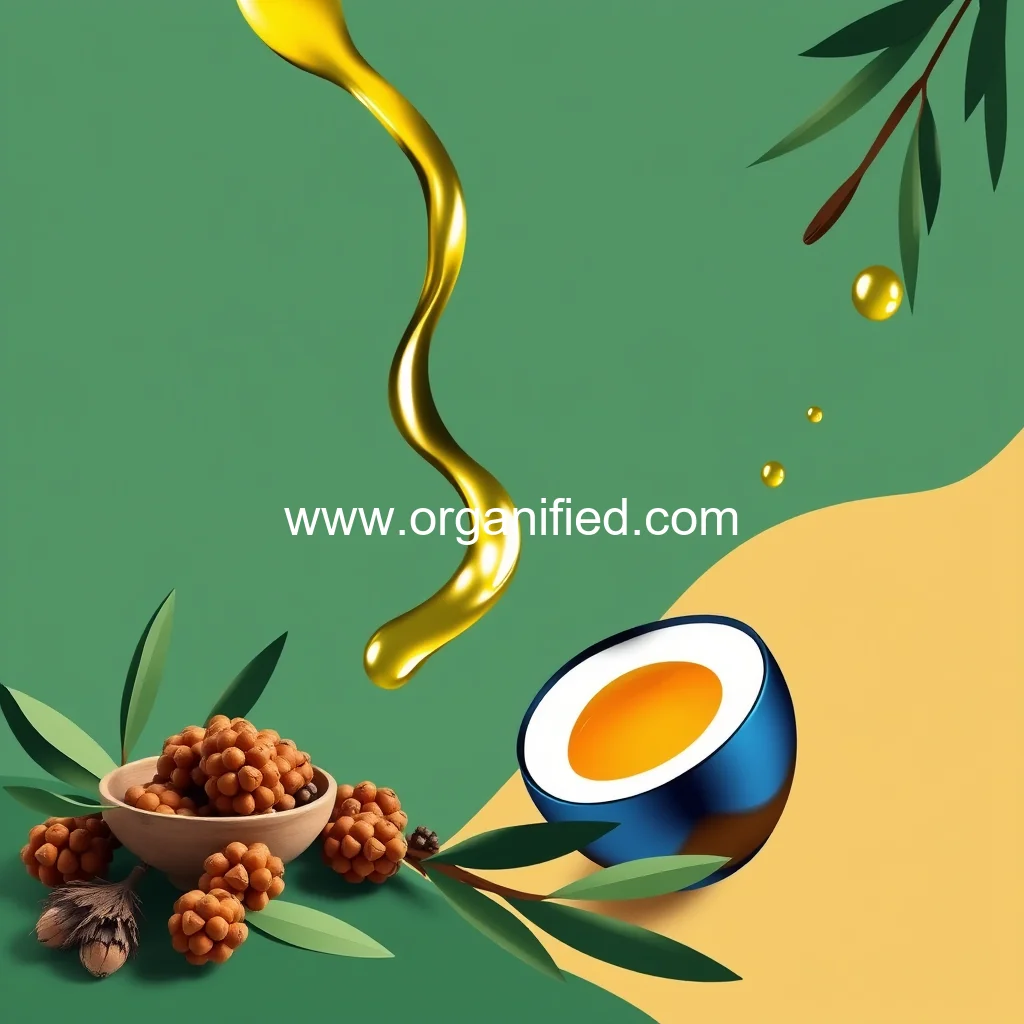
The Argan tree is native to the southwestern region of Morocco, where it has been cultivated for centuries. The tree’s unique characteristics and the harsh climate of the region have led to the development of a highly prized oil that is rich in antioxidants, essential fatty acids, and other nutrients. The oil is extracted from the kernels of the Argan nut, which is harvested by hand from the trees.
The Extraction Process
The extraction process of Argan oil is labor-intensive and time-consuming. The kernels are first cleaned and sorted, then crushed to release the oil. The oil is then extracted using a traditional method that involves heating the kernels to release the oil, which is then filtered and separated from the solids. This process is repeated multiple times to ensure the highest quality oil.
The Benefits of Argan Oil
Argan oil is renowned for its numerous benefits for the skin and hair. It is rich in antioxidants, which help to protect the skin from damage caused by free radicals. The oil is also rich in essential fatty acids, which help to nourish and moisturize the skin and hair.
The oil is extracted from the kernels of the Argan tree, which is native to Morocco and Western Sahara.
The Origins of Argan Oil
The Argan tree, Argania spinosa, is a small, deciduous tree that grows in the dry regions of Morocco and Western Sahara. The tree is estimated to be around 10,000 years old, with evidence of its use dating back to ancient civilizations such as the Phoenicians and Romans. The kernels of the Argan tree are rich in oil, which is extracted through a labor-intensive process.*
The Extraction Process
The extraction process of Argan oil is a multi-step process that requires great skill and patience. The kernels are first harvested from the tree, typically by hand, as the trees are often located in remote areas. The kernels are then dried and cracked to release the oil, which is then extracted using a traditional stone mill. The traditional stone mill is a slow and labor-intensive process that requires great skill and patience.
The Rise of Sustainable Beauty: A Growing Demand for Organic and Clean Products
The beauty industry is undergoing a significant transformation, driven by the growing demand for organic, clean, and sustainable products. Consumers are becoming increasingly aware of the environmental and health impacts of traditional beauty products, leading to a surge in the popularity of natural and eco-friendly alternatives.
The Rise of Food-Grade Argan Oil
One of the key drivers of this trend is the growing popularity of food-grade Argan oil. This luxurious oil, extracted from the kernels of the Argan tree, is prized for its exceptional moisturizing and nourishing properties.
The Rise of Argan Oil in the Beauty Industry
The Argan oil industry has experienced significant growth in recent years, driven by its numerous benefits for the skin and hair. As consumers become increasingly aware of the importance of sustainability, the demand for eco-friendly products is on the rise. Argan oil, extracted from the kernels of the Argan tree, is a natural and renewable resource that has been used for centuries in traditional Moroccan medicine.
Key Benefits of Argan Oil
However, the lack of regulation and certification in the industry makes it challenging to ensure the sustainability of Argan oil production.
The Threats Facing Argan Trees
Climate Change and Desertification
Climate change is having a devastating impact on Argan trees, which are native to the dry regions of Morocco. Rising temperatures and changing precipitation patterns are altering the delicate ecosystem of the Argan tree, making it harder for the trees to survive. Desertification, which is the expansion of deserts due to human activities, is also a significant threat to the Argan tree. The loss of vegetation and soil degradation due to desertification can lead to a decrease in the Argan tree’s ability to produce oil. The Argan tree is highly adapted to the dry conditions of the Moroccan desert, but it requires a certain level of rainfall to thrive. Climate change is altering the rainfall patterns, making it harder for the Argan tree to receive the water it needs.
The Importance of Argan Trees in Morocco
Argan trees are a vital component of Morocco’s ecosystem, providing numerous benefits for the environment, economy, and local communities. These trees are native to the Atlas Mountains and are highly valued for their unique properties.
Key Benefits of Argan Trees
The Moroccan Argan Oil Market: A Complex Landscape
The Moroccan Argan oil market is a complex and dynamic industry, characterized by a mix of large international brands and smaller, local producers. This fragmentation has led to a highly competitive market, where businesses must navigate a range of challenges to succeed.
Key Challenges Facing the Industry
The Rise of Argan Oil in China
The Chinese market has been expanding rapidly, driven by increasing consumer spending and a growing interest in natural and organic products. As a result, the demand for Argan oil has been on the rise, with many Chinese consumers seeking out high-quality, authentic products.
In India, companies are using social media to promote their products and engage with customers, leveraging the popularity of local influencers and celebrities.
The Rise of Personalized Marketing
In today’s digital age, consumers are more discerning than ever. They crave personalized experiences that cater to their unique needs and preferences. As a result, companies are adapting their marketing strategies to meet these changing expectations.
The Power of Data-Driven Marketing
Companies are leveraging data analytics to create targeted marketing campaigns that resonate with their audience. By analyzing customer behavior, preferences, and demographics, businesses can tailor their messaging and content to specific groups. This approach not only increases engagement but also drives conversions and sales. Key benefits of data-driven marketing: + Increased relevance and accuracy + Improved customer engagement + Enhanced conversion rates + Better ROI
The Importance of Cultural Relevance
When marketing to local consumers, it’s essential to consider the cultural context. Companies must understand the values, customs, and preferences of their target audience to create effective marketing campaigns.
Understanding Local Influencers and Celebrities
In India, for example, social media influencers and celebrities play a significant role in shaping consumer behavior.
This trend is driven by the growing demand for sustainable and eco-friendly products that cater to the needs of modern consumers.
The Rise of Argan Oil-Based Formulations
The Argan oil industry has experienced significant growth in recent years, driven by its numerous health benefits and versatility in skincare and haircare products. However, the industry is now shifting towards more innovative and sustainable formulations that combine Argan oil with other natural ingredients.
Key Ingredients and Benefits
Some of the key ingredients being combined with Argan oil include:
The country’s unique Argan tree, which produces the oil, is not only a symbol of Moroccan culture but also a valuable resource for the local economy.
The Argan Tree: A Symbol of Moroccan Culture
The Argan tree, Argania spinosa, is a deciduous tree native to Morocco and Western Sahara. It is a member of the Anacardiaceae family, which also includes poison ivy and cashews. The tree can grow up to 10 meters tall and has a lifespan of around 100 years. Its unique shape, with a single stem and a crown of thorny branches, makes it a striking feature of the Moroccan landscape.*
The Oil Production Process
The Argan oil is extracted from the kernels of the Argan tree, which are rich in fatty acids. The production process involves several steps:
The Rise of Moroccan Argan Oil
The popularity of Moroccan Argan oil has been on the rise in recent years, driven by its numerous health benefits and versatility in various applications. As a result, the demand for this precious oil has increased, creating a competitive market for producers.