This phenomenon is particularly evident in the fast fashion industry, where cheap, trendy clothing is designed to be worn once and discarded.
The Economic Impact of Second-hand Clothing
A Growing Market
The second-hand clothing market has experienced significant growth in recent years, driven by increasing consumer awareness of sustainability and the desire for affordable fashion. In Ghana, for example, the market has grown to become a major contributor to the country’s economy, with many small-scale traders and entrepreneurs capitalizing on the trend. Key statistics: + The global second-hand clothing market is projected to reach $51 billion by 2025. + In Ghana, the market is estimated to generate over $100 million in annual revenue. Benefits: + Creates jobs and stimulates local economies. + Provides affordable clothing options for consumers. + Reduces waste and supports sustainable fashion practices.*
The Environmental Impact of Second-hand Clothing
A Culture of Disposability
The fast fashion industry’s emphasis on cheap, trendy clothing has led to a culture of disposability, where garments are designed to be worn once and discarded. This phenomenon is exacerbated by the influx of imported used garments, which can lead to a significant increase in textile waste. Environmental concerns: + Textile waste contributes to greenhouse gas emissions and pollution. + The production and transportation of new garments require significant resources and energy. + The disposal of used garments can lead to the release of toxic chemicals and microplastics.
Fast fashion’s environmental impact is a major problem that requires immediate attention.
The production process also has a significant impact on the environment. The use of synthetic materials, such as polyester and nylon, contributes to microplastic pollution. These microplastics can enter the ocean and harm marine life.
The Environmental Impact of Fast Fashion
The Pollution Problem
Fast fashion’s environmental impact is a pressing concern. The rapid production and disposal of cheap clothing contribute to a significant amount of waste. According to the Ellen MacArthur Foundation, the fashion industry produces over 12% of global greenhouse gas emissions. The production process itself is also a major contributor to pollution. The production of synthetic materials requires large amounts of energy and water. The manufacturing process also generates significant amounts of waste, including chemicals and dyes. The disposal of these garments often results in pollution, with many ending up in landfills or being burned.
The Consequences of Microplastic Pollution
Microplastic pollution is a growing concern, with the fashion industry being a significant contributor. The use of synthetic materials in clothing production results in microplastics being released into the environment. These microplastics can enter the ocean and harm marine life, including fish and other animals. Microplastics can be ingested by marine animals, causing physical harm and toxicity.
Sorting and processing second-hand clothing is energy-intensive and requires manual labor or automated systems.
The production of second-hand clothing involves various processes, including sorting, cleaning, and packaging, which require energy and resources.
The Environmental Impact of Second-Hand Clothing
Sorting and Processing
The sorting and processing of second-hand clothing involve several energy-intensive steps. These include:
Sustainable textile production is crucial for reducing the industry’s environmental impact and promoting social responsibility.
The Importance of Sustainable Textile Production
The textile industry is one of the largest polluters in the world, with the production of garments contributing to greenhouse gas emissions, water pollution, and waste generation. However, there is a growing recognition of the need for sustainable textile production practices that prioritize environmental and social responsibility.
The Role of Government and NGOs
Government and NGOs can play a crucial role in promoting sustainable textile production by facilitating training programs for local artisans. These programs can equip artisans with the skills needed to produce high-quality garments while adopting sustainable practices. For example, training programs can focus on:
By providing artisans with the necessary skills and knowledge, government and NGOs can empower them to make sustainable choices and reduce their environmental impact.
Encouraging Sustainable Practices
Encouraging local textile producers to adopt sustainable practices can significantly reduce the industry’s carbon footprint.
Here are some programs that encourage consumers to return or donate clothing: Clothing Swap Events Clothing Donation Programs Resale Websites Online Marketplaces Clothing Recycling Programs
The Rise of Circular Economy Initiatives in the Textile Industry
The textile industry has long been criticized for its environmental impact, with the production and disposal of clothing contributing significantly to greenhouse gas emissions, water pollution, and waste management issues. However, in recent years, there has been a growing trend towards circular economy initiatives in the textile industry, with a focus on promoting sustainable consumption and production practices.
Encouraging Responsible Disposal Methods
One key aspect of circular economy initiatives is encouraging consumers to adopt responsible disposal methods for used clothing. This can be achieved through various programs and initiatives that promote the reuse, recycling, or resale of clothing. Some examples of these programs include:
The Ghanaian government has taken steps to address these issues through various initiatives and policies.
The Rise of Second-hand Clothing in Ghana
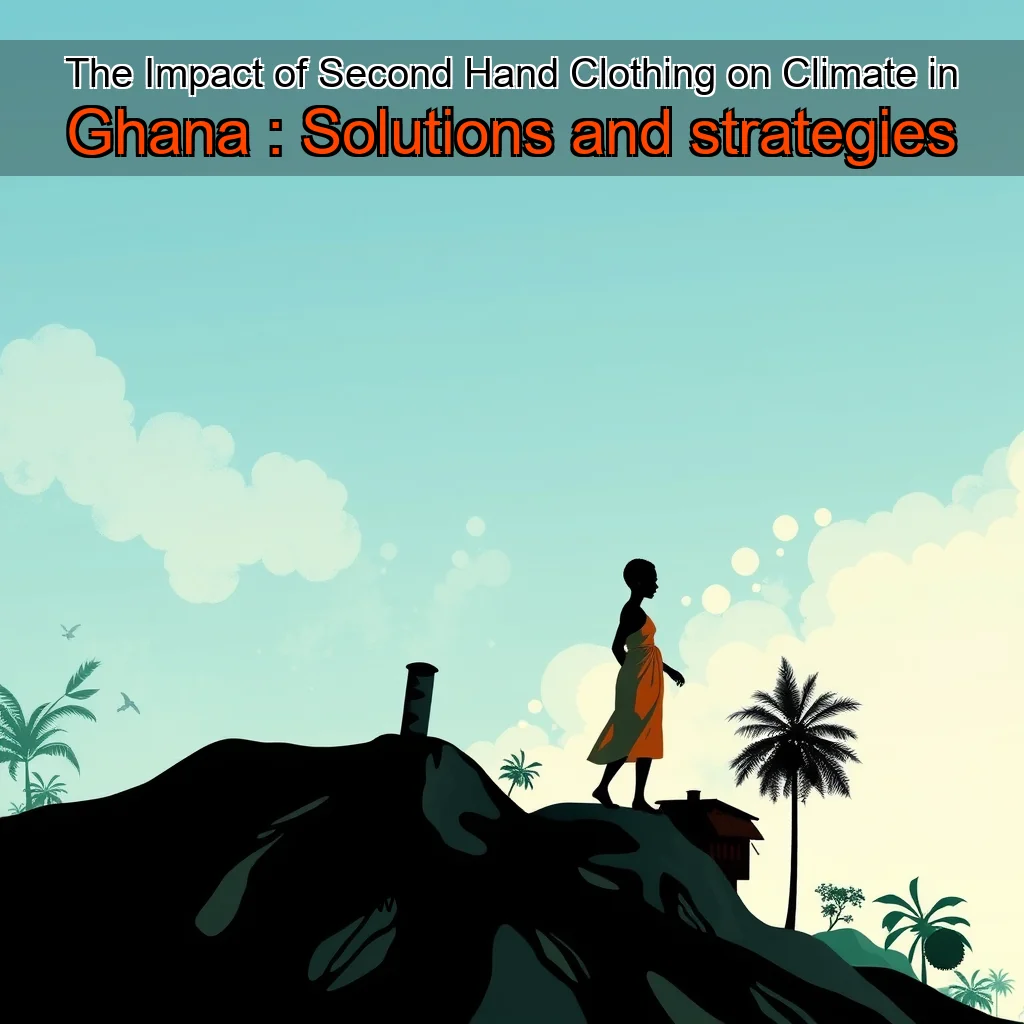
In recent years, second-hand clothing has become increasingly popular in Ghana, particularly among the younger generation. This trend is driven by the desire for affordable fashion and the need to reduce waste. Many Ghanaians are turning to second-hand clothing as a way to stay fashionable without breaking the bank.