The Vision of Natureland Organics
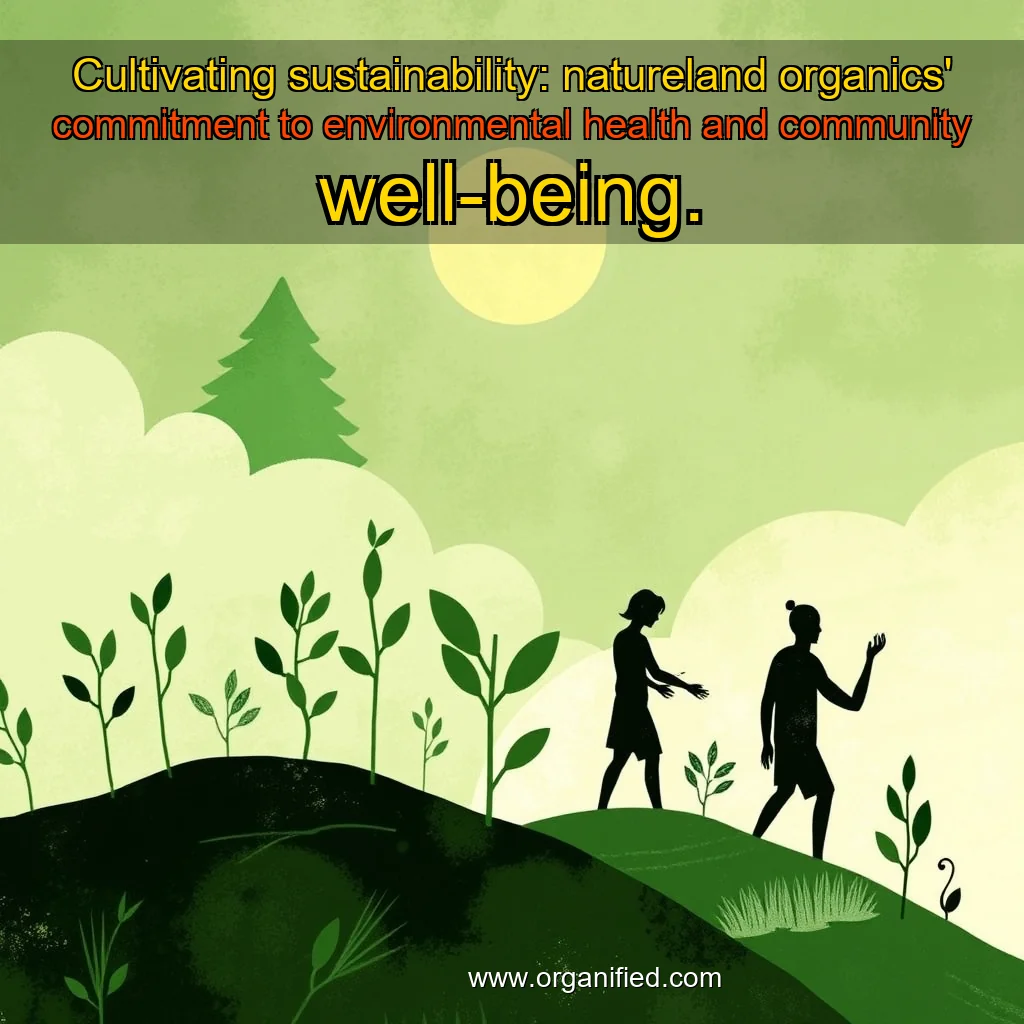
The Godara brothers’ vision for Natureland Organics is built on the principles of sustainable agriculture, environmental stewardship, and social responsibility. They aim to create a better world by promoting organic farming practices that not only improve human health but also protect the environment.
Key Principles
Transitioning to Organic Farming: A Path to Sustainability
The world of agriculture is undergoing a significant transformation, with many farmers opting for organic farming practices. This shift towards sustainability is driven by the growing awareness of the environmental and health impacts of conventional farming methods. Organic farming, in particular, has gained popularity in recent years due to its numerous benefits, including improved soil health, reduced chemical use, and increased crop diversity.
Benefits of Organic Farming
Challenges of Transitioning to Organic Farming
While the benefits of organic farming are numerous, transitioning to organic farming can be challenging. Farmers may face difficulties in adapting to new practices, managing pests and diseases, and maintaining crop yields. Additionally, organic farming may require significant investments in infrastructure, equipment, and labor.
Support and Resources
Natureland Organics offers ongoing support and resources to help farmers make this transition smoothly.
Natureland Organics focuses on regenerative agriculture, which prioritizes soil health, biodiversity, and ecosystem services. This approach is essential for sustainable farming and mitigating climate change. By using regenerative practices, farmers can improve soil fertility, increase crop yields, and enhance ecosystem services. This approach is also beneficial for the environment, as it reduces the need for synthetic fertilizers and pesticides. In addition, regenerative agriculture promotes biodiversity, which is critical for maintaining healthy ecosystems and supporting local food systems. Natureland Organics’ approach to farming is not only beneficial for the environment but also for farmers themselves. By using regenerative practices, farmers can improve their livelihoods, increase their income, and enhance their well-being. This is achieved through improved crop yields, better soil health, and increased biodiversity. Overall, Natureland Organics’ approach to farming is a holistic and sustainable approach that prioritizes the well-being of both the environment and farmers. The company’s focus on regenerative agriculture is essential for creating a more sustainable food system and mitigating the impacts of climate change. By supporting regenerative agriculture, farmers, policymakers, and consumers can work together to create a more sustainable and equitable food system. The benefits of regenerative agriculture extend beyond the farm, as it can also contribute to broader social and environmental goals. For instance, regenerative agriculture can help reduce greenhouse gas emissions, improve air quality, and promote ecosystem services. Furthermore, regenerative agriculture can contribute to food security, as it can improve crop yields and enhance the resilience of food systems. By promoting regenerative agriculture, Natureland Organics is contributing to a more sustainable and equitable food system that benefits both farmers and the environment. Key aspects of Natureland Organics’ approach to farming include:1. Soil Health: Natureland Organics prioritizes soil health through the use of regenerative practices.
Quality Control Measures
Testing and Analysis
Natureland Organics employs a multi-step testing process to guarantee the quality of their products. This includes:
Quality Assurance
In addition to testing, Natureland Organics also implements quality assurance measures to ensure the integrity of their products.
Mission and Vision
At the Natureland Organics, the mission is to provide high-quality, organic food products that cater to diverse dietary needs and preferences. The company’s vision is to create a world where healthy eating is a fundamental right, not a privilege reserved for the few.
Key Objectives
Sustainable Practices
Natureland Organics is committed to reducing its environmental footprint and promoting sustainable practices throughout its operations. Some of the key initiatives include:
Supply Chain Transparency
The company prioritizes transparency in its supply chain, ensuring that all ingredients are sourced from reputable suppliers who adhere to strict environmental and social standards.