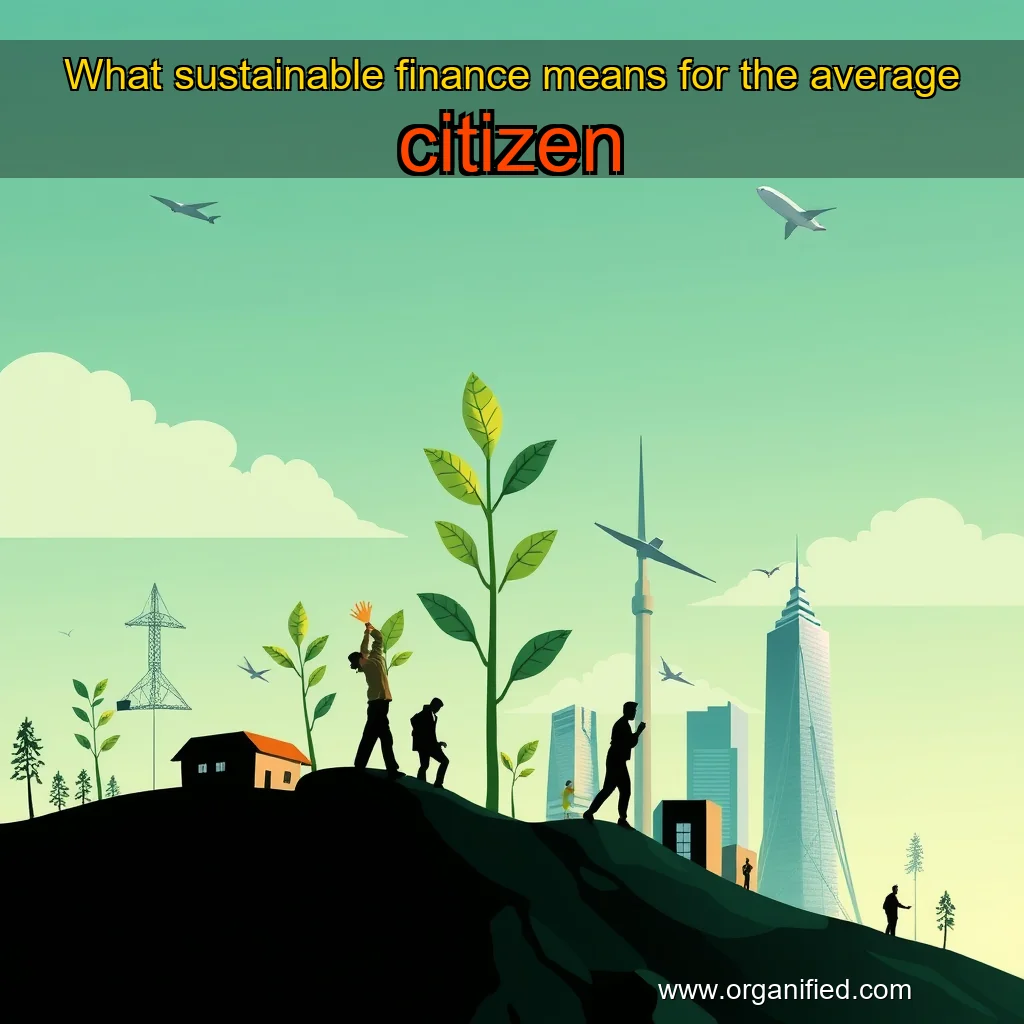
The goal is to balance economic growth with social responsibility and environmental sustainability.
The Evolution of Sustainable Finance
Sustainable finance has its roots in the 1970s, when environmental concerns began to gain traction.
These instruments enable investors to make informed decisions about the environmental and social impact of their investments.
The Rise of Sustainable Finance
Sustainable finance has gained significant traction in recent years, driven by growing concerns about climate change, social inequality, and environmental degradation. The financial sector has a critical role to play in addressing these pressing issues, and sustainable finance is at the forefront of this effort.
Key Players in Sustainable Finance
Green Bonds and Sustainability-Linked Loans
Green bonds and sustainability-linked loans are two key financial instruments driving the sustainable finance movement.
Green Bonds
Sustainable investments gain traction as investors prioritize environmental and social concerns.
This surge in interest is driven by the growing awareness of environmental, social, and governance (ESG) factors among investors.
The Rise of Sustainable Investment
A Growing Awareness of ESG Factors
The increasing popularity of sustainable investment products can be attributed to the growing awareness of environmental, social, and governance (ESG) factors among investors. As the world grapples with the challenges of climate change, investors are becoming more conscious of the impact of their investments on the environment and society. This shift in perspective is driven by the recognition that traditional investments, such as stocks and bonds, can have negative environmental and social consequences. ESG factors encompass a range of issues, including:
- Climate change and carbon emissions
- Social inequality and human rights
- Governance and corporate accountability
- Environmental degradation and resource depletion
- Environmental focus: Sustainable finance prioritizes environmental sustainability, aiming to reduce greenhouse gas emissions, conserve natural resources, and promote eco-friendly practices. Social impact: Sustainable finance also considers social factors, such as promoting human rights, reducing inequality, and improving living standards.
Similarly, in Africa, the growth of renewable energy has led to the creation of thousands of jobs in countries like Ghana and South Africa.
The Impact of Renewable Energy on Local Economies
Renewable energy investments are not only creating jobs but also transforming local economies. In many developing countries, the growth of renewable energy has led to significant economic benefits. For example, in Ghana, the development of wind farms has created new opportunities for local businesses and entrepreneurs. The wind farm industry in Ghana has attracted significant foreign investment, with companies like Siemens Gamesa and Vestas setting up operations in the country. The growth of the wind farm industry has also led to the creation of new jobs in the manufacturing and maintenance sectors.
In the greenwashing phenomenon, companies often use misleading or false information to make their products or services appear more environmentally friendly than they actually are.
The Problem of Greenwashing
Greenwashing is a pervasive issue that affects not only investors but also consumers and the environment. It can lead to a false sense of security, causing people to make uninformed decisions about their investments and purchasing habits. The consequences of greenwashing can be severe, including:
- Financial losses for investors
- Environmental damage
- Erosion of trust in the ESG industry
- Negative impact on the reputation of companies and organizations
The Consequences of Greenwashing
The consequences of greenwashing are far-reaching and can have significant impacts on various stakeholders. Some of the key consequences include:
- Financial losses for investors: Greenwashing can lead to financial losses for investors who invest in companies with questionable ESG credentials.
However, proponents argue that ESG investing can provide long-term benefits, such as reduced risk and increased resilience to climate change.
The Case for ESG Investing
ESG investing is a strategy that incorporates environmental, social, and governance factors into investment decisions. Proponents of ESG investing argue that it can provide a competitive edge in the long run. Here are some key benefits:
- Reduced risk: ESG investing can help investors avoid companies with poor environmental and social track records, reducing the risk of financial losses. Increased resilience: By investing in companies that prioritize sustainability, investors can benefit from increased resilience to climate change and other environmental disruptions. Long-term benefits: ESG investing can provide long-term benefits, such as improved corporate governance and enhanced social responsibility. ## The Challenges of ESG Investing**
The Challenges of ESG Investing
While ESG investing has its benefits, it also faces several challenges. Some of the key concerns include:
- Performance variability: As mentioned earlier, ESG investments can be more volatile than traditional investments, making it difficult for risk-averse investors to predict returns. Higher costs: ESG investing often requires more research and due diligence, which can increase costs and reduce returns. Lack of standardization: The ESG industry is still evolving, and there is a lack of standardization in ESG metrics and reporting, making it difficult for investors to compare performance. ## The Future of ESG Investing**
The Future of ESG Investing
Despite the challenges, ESG investing is likely to continue to grow in popularity.
Here are some key takeaways from COP29:
The Importance of Sustainable Finance
Sustainable finance is a critical component in the fight against climate change. It involves the integration of environmental, social, and governance (ESG) factors into financial decision-making. This approach helps investors make informed decisions that balance financial returns with environmental and social responsibilities. Key features of sustainable finance include: + Environmental, social, and governance (ESG) integration + Impact investing + Green bonds + Climate risk management + ESG reporting and disclosure
The Role of COP29 in Promoting Sustainable Finance
COP29 highlighted the urgent need for sustainable finance to address the climate crisis. The conference emphasized the importance of mobilizing private sector capital to support climate action. Key outcomes from COP29 include:
- The adoption of the Glasgow Financial Alliance for Net Zero (GFAZNZ) framework
- The launch of the Climate Finance Platform
- The commitment to mobilize $100 billion in climate finance by 2025
The Challenges and Opportunities of Sustainable Finance
Despite the progress made, sustainable finance faces several challenges. These include:
- Lack of standardization in ESG reporting and disclosure
- Limited access to sustainable finance products for developing countries
- High transaction costs associated with sustainable finance
- Regulatory uncertainty
However, sustainable finance also presents numerous opportunities.
Here are some ways to get started with sustainable finance:
Getting Started with Sustainable Finance
Sustainable finance is an increasingly popular field that focuses on investing in companies and projects that promote environmental and social responsibility. With the growing awareness of climate change and social inequality, individuals are seeking ways to align their investments with their values. Fortunately, there are numerous platforms and tools available that make it easy to get started with sustainable finance.
Choosing the Right Platform
When selecting a platform, consider the following factors:
- ESG (Environmental, Social, and Governance) criteria: Look for platforms that use ESG criteria to evaluate investments. This ensures that the investments align with your values and promote sustainability. Low minimum requirements: Platforms like Betterment, Robinhood, and Stash offer low minimum requirements, making it accessible to a wider range of investors. Diversified portfolios: Choose a platform that offers diversified portfolios, which can help reduce risk and increase potential returns. * Transparency and reporting: Opt for a platform that provides transparent reporting and regular updates on your investments. ### Investing in Sustainable Assets**
Investing in Sustainable Assets
Once you’ve chosen a platform, it’s time to start investing. Here are some ways to get started:
- Stocks: Invest in companies that prioritize sustainability and social responsibility.
Harnessing the Power of Sustainable Finance to Create a More Resilient and Sustainable Future.
Sustainable finance seeks to address the environmental, social, and governance (ESG) concerns that have long plagued traditional finance.
The Rise of Sustainable Finance
Sustainable finance has been gaining momentum in recent years, driven by the increasing awareness of the need for environmental, social, and governance (ESG) considerations in financial decision-making. The sector has grown significantly, with the global sustainable finance market expected to reach $1.5 trillion by 2025.
Key Drivers of Sustainable Finance
Several factors have contributed to the growth of sustainable finance:
- Climate Change: The urgent need to address climate change has led to a surge in demand for sustainable finance solutions. Investors are seeking to reduce their carbon footprint and invest in projects that contribute to a low-carbon economy. Regulatory Pressure: Governments and regulatory bodies have introduced policies and guidelines to promote sustainable finance. For example, the European Union’s Sustainable Finance Disclosure Regulation (SFDR) requires financial institutions to disclose their ESG risks and opportunities. Technological Advancements: The development of new technologies, such as blockchain and artificial intelligence, has enabled the creation of more efficient and transparent sustainable finance platforms. ## The Impact of Sustainable Finance**
The Impact of Sustainable Finance
Sustainable finance has the potential to transform the way capital is allocated and the way companies are held accountable for their environmental, social, and governance practices.
Benefits for Investors
Sustainable finance offers several benefits for investors, including:
- Risk Management: By investing in sustainable projects, investors can reduce their exposure to environmental and social risks.
The European Lead
Europe is at the forefront of the sustainable investment revolution, with nearly five times more ESG assets under management than any other region. This is driven by the European Union’s commitment to sustainable finance and the growing demand for ESG products among investors.
Sustainable finance promotes environmentally conscious and socially responsible investing.
The Rise of Sustainable Finance
Sustainable finance has gained significant traction in recent years, driven by growing concerns about climate change, social inequality, and environmental degradation. The concept of sustainable finance encompasses a broad range of activities, including environmental, social, and governance (ESG) investing, impact investing, and green bonds. These initiatives aim to promote sustainable development and reduce the negative environmental and social impacts of traditional finance.