You are currently viewing India first organic aquaculture cluster launched in Sikkim  ICSF
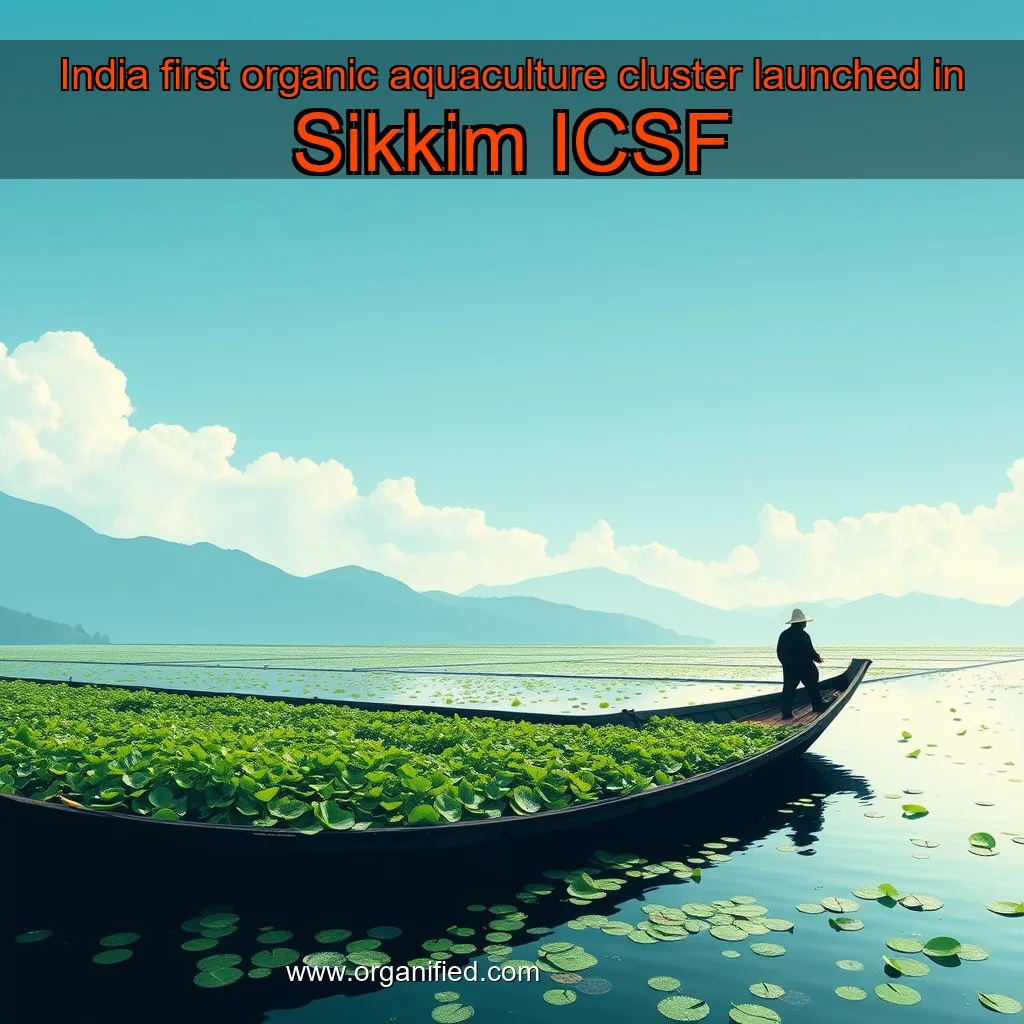
Representation image: This image is an artistic interpretation related to the article theme.

India first organic aquaculture cluster launched in Sikkim ICSF

Step 1: Understanding the Cluster’s Objective

The primary objective of the cluster is to create an antibiotic, chemical, and pesticide-free aquaculture system. This approach aligns with the growing global demand for sustainable and eco-friendly products. By adopting this method, the cluster will not only enhance the quality of the products but also contribute to the well-being of the environment.

Step 2: Significance of Sustainable Aquaculture

Sustainable aquaculture is gaining significant attention worldwide due to its potential to mitigate the environmental impact of traditional farming practices.

The Benefits of Organic Fisheries and Aquaculture

Organic fisheries and aquaculture offer numerous benefits for the environment, human health, and the economy. Some of the key advantages include:

  • Reduced pollution and waste: Organic fisheries and aquaculture promote the use of natural and sustainable methods, reducing the amount of pollutants and waste released into the environment. Improved water quality: By using natural methods, organic fisheries and aquaculture help maintain water quality, ensuring a healthy environment for both humans and wildlife. Increased biodiversity: Organic fisheries and aquaculture support the growth of diverse aquatic ecosystems, promoting biodiversity and the health of marine life. Enhanced food security: Organic fisheries and aquaculture provide a sustainable source of protein-rich food, improving food security and reducing the risk of food-borne illnesses. Economic benefits: Organic fisheries and aquaculture can create new job opportunities and stimulate local economies, contributing to the state’s overall development. ## The Challenges and Opportunities*
  • The Challenges and Opportunities

    While introducing organic fisheries and aquaculture presents numerous benefits, it also comes with challenges and opportunities. Some of the key considerations include:

  • Technical expertise: Organic fisheries and aquaculture require specialized knowledge and skills, which can be a barrier to adoption. Infrastructure development: The development of infrastructure, such as ponds and hatcheries, is necessary to support organic fisheries and aquaculture.

    Under this scheme, the government aims to increase fish production by 20% in the next five years.

    Key Initiatives Under Pradhan Mantri MatsyaSampada Yojana

    The Pradhan Mantri MatsyaSampada Yojana (PMMYS) is a flagship scheme of the Indian government aimed at promoting sustainable and equitable growth in the fisheries sector.


  • Leave a Reply