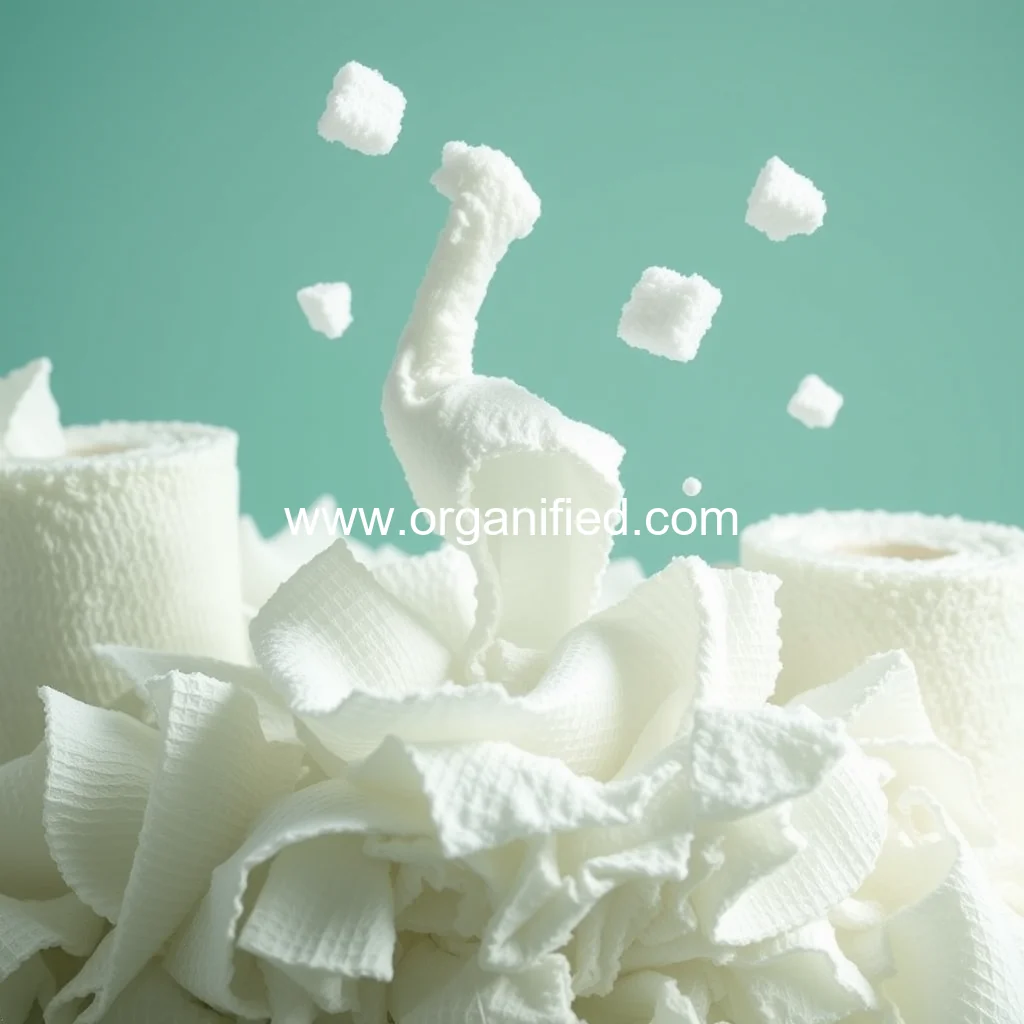
This staggering figure highlights the widespread use of paper towels in French daily life.
The Origins of Paper Towels
Paper towels were first introduced in the United States in the late 19th century. However, it wasn’t until the early 20th century that they gained popularity. The first paper towels were made from a single sheet of paper, folded into a square, and then cut into smaller pieces. These early paper towels were marketed as a more convenient alternative to cloth towels.
Early Advantages
The French Connection
Despite their origins in the United States, paper towels have become an integral part of French daily life. In fact, the French use more paper towels than any other country in the world. The reasons for this are multifaceted:
The Story Behind Inga’s Products
Inga’s journey began with a simple yet profound realization: the need for sustainable and eco-friendly products. Growing up, Inga was exposed to the harsh realities of pollution and waste management in her community. This sparked a desire to create products that could make a positive impact on the environment. Inga’s inspiration came from the Amazonian plant, which thrives in conditions that would be hostile to most other plants. This resilience resonated with Inga’s own determination to create products that could withstand the rigors of daily use.
The Design Process
Inga’s design process is centered around functionality, sustainability, and user experience. She works closely with a team of experts to ensure that every product meets the highest standards of quality and performance. The design process involves extensive research, prototyping, and testing to identify areas for improvement and optimize the final product. Key considerations in the design process include: + Material selection: Inga prioritizes the use of eco-friendly materials that are durable and long-lasting. + User feedback: Inga engages with her customers to gather feedback and insights that inform the design process.
Inga’s sponge is designed to be used with a variety of cleaning products, including those containing bleach or ammonia, making it a versatile option for households with pets or allergies.
The Science Behind Inga’s Magnetic Sponge
Inga’s magnetic sponge is not just a clever marketing gimmick; it has a solid scientific basis. The sponge is made from a unique blend of materials that allows it to attract and hold onto metal ions, which are essential for its drying properties. This is achieved through a process called electrostatic induction, where the sponge’s surface is treated with a special coating that generates a weak electric field. This field attracts metal ions, which are then trapped within the sponge’s pores. The sponge’s material composition is carefully designed to optimize its electrostatic properties, ensuring that it can effectively attract and hold onto metal ions. The sponge’s pores are precisely engineered to provide a large surface area for the metal ions to bind to, allowing for efficient drying. The sponge’s unique blend of materials also makes it resistant to bacterial growth, reducing the risk of contamination.
The Benefits of Inga’s Magnetic Sponge
Inga’s magnetic sponge offers several benefits over traditional sponges. Some of the key advantages include:
Reduce waste and save money with machine washable items.
The Benefits of Machine Washable Items
Reducing Waste and Saving Money
The ability to wash items in a machine makes maintenance simple and extends their lifespan. This approach not only saves money in the long term but also dramatically reduces the amount of waste produced by households. By choosing machine washable items, individuals can significantly decrease their environmental footprint. * Less waste: Machine washable items reduce the need for dry cleaning, which can generate a significant amount of waste.
Here are some key points to consider:
The Problem of Disposable Cleaning Products
Disposable cleaning products have become a ubiquitous part of modern life. From paper towels to disposable wipes, these products are designed to be used once and then discarded. However, this convenience comes at a significant environmental cost. The production, packaging, and disposal of these products contribute to greenhouse gas emissions, pollution, and waste. The average American generates over 200 pounds of trash per year, with a significant portion of that coming from disposable cleaning products. The production of disposable cleaning products requires massive amounts of energy and resources, including water and raw materials. The disposal of these products often ends up in landfills, where they can take hundreds of years to decompose.
The Benefits of Reusable Cleaning Products
Reusable cleaning products, on the other hand, offer a sustainable alternative to disposable cleaning products. By adopting reusable alternatives, consumers can significantly reduce their environmental footprint. Here are some benefits to consider: