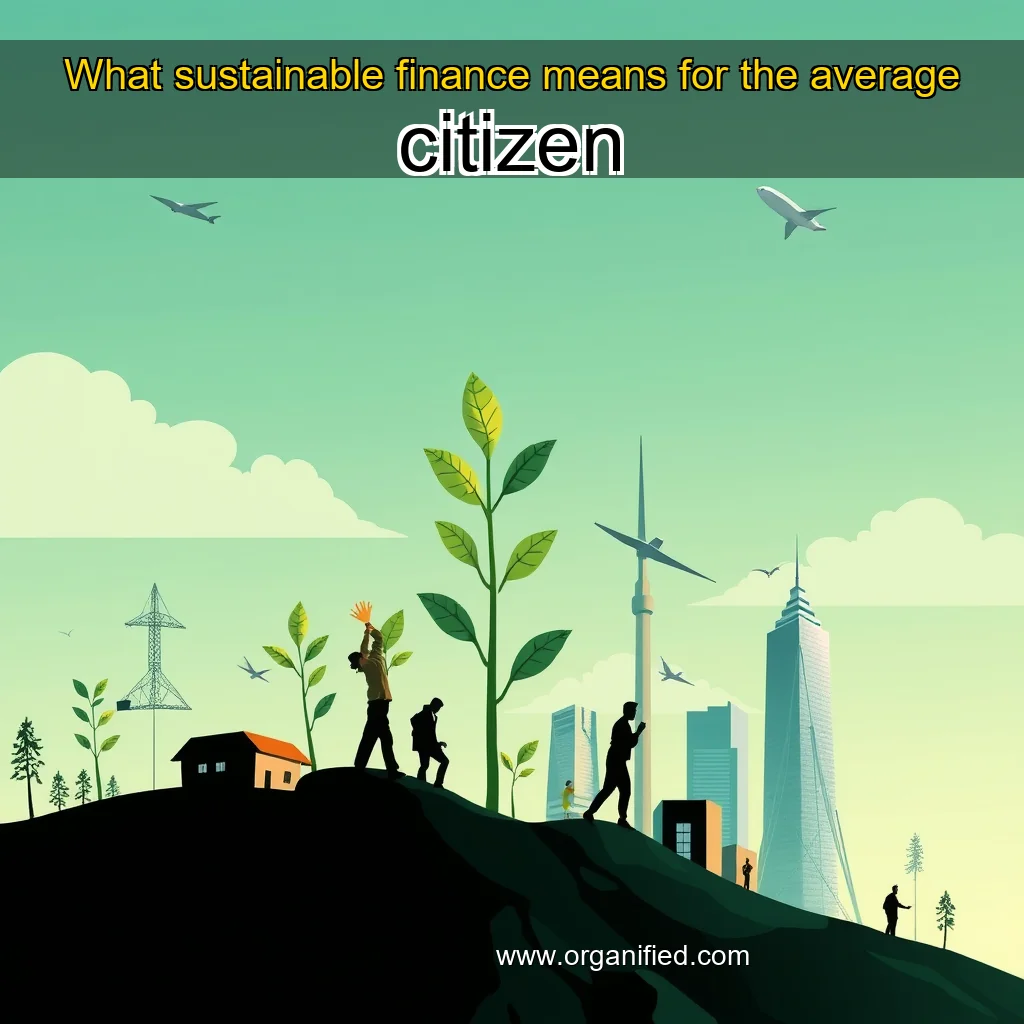
This approach is gaining traction as investors, companies, and governments seek to address pressing global challenges such as climate change, inequality, and social injustice.
The Rise of Sustainable Finance
Sustainable finance is a rapidly growing field that has been gaining momentum over the past decade. The concept has evolved significantly since its inception, and it has become an essential component of the global financial system. The rise of sustainable finance can be attributed to the increasing awareness of the need to address environmental, social, and governance issues.
Key Drivers of Sustainable Finance
Several key drivers have contributed to the growth of sustainable finance:
These instruments enable investors to make informed decisions about the environmental and social impact of their investments.
The Rise of Sustainable Finance
Sustainable finance has gained significant traction in recent years, driven by growing concerns about climate change, social inequality, and environmental degradation. As a result, financial institutions and investors are increasingly seeking ways to align their investments with these values.
Key Players in Sustainable Finance
Green Bonds and Sustainability-Linked Loans
Green bonds and sustainability-linked loans are two key financial instruments that are driving the growth of sustainable finance.
Green Bonds
Sustainability-Linked Loans
This surge in interest is driven by the growing awareness of environmental, social, and governance (ESG) factors among investors.
The Rise of Sustainable Investment
A Growing Awareness of ESG Factors
The increasing popularity of sustainable investment products can be attributed to the growing awareness of environmental, social, and governance (ESG) factors among investors. As the world grapples with the challenges of climate change, investors are becoming more conscious of the impact of their investments on the environment and society. This shift in perspective is driven by the recognition that traditional investments, such as stocks and bonds, can have negative externalities that harm the environment and society. Key drivers of the growing awareness of ESG factors include: + Climate change and its impact on the environment + Social inequality and human rights abuses + Poor corporate governance and executive compensation practices
The European Lead
Europe is leading the charge in sustainable investment, with nearly five times more ESG assets than any other region. This is driven by the European Union’s (EU) commitment to sustainable finance and the implementation of the EU’s Sustainable Finance Disclosure Regulation (SFDR).
The Rise of Sustainable Finance
Sustainable finance is an increasingly important concept that has gained significant attention in recent years. The term refers to the integration of environmental, social, and governance (ESG) factors into financial decision-making. This approach recognizes that traditional finance can have negative impacts on the environment and society, and seeks to mitigate these effects.
Key Features of Sustainable Finance
Similarly, in Africa, the growth of renewable energy has led to the creation of thousands of jobs in countries such as Ghana and Kenya.
The Impact of Renewable Energy on Local Economies
Renewable energy investments have a profound impact on local economies, particularly in developing countries.
The Dark Side of ESG Investing: How Greenwashing Threatens Your Portfolio and the Planet.
The lack of transparency and accountability in ESG reporting makes it difficult to identify companies with questionable practices.
The Problem of Greenwashing
Greenwashing is a pervasive issue in the ESG investing landscape, with far-reaching consequences for investors, companies, and the environment. The practice of exaggerating or fabricating ESG credentials has become a significant concern, with 20 percent of ESG funds in the US invested in companies with questionable practices.
The Scope of the Problem
The Consequences of Greenwashing
Greenwashing has significant consequences for investors, companies, and the environment.
ESG Investing: A Key to Long-Term Success?
However, proponents of ESG investing argue that it can lead to better long-term outcomes.
The Case for ESG Investing
ESG investing is a strategy that incorporates environmental, social, and governance factors into investment decisions. Proponents of ESG investing believe that these factors can have a positive impact on a company’s long-term success and profitability. By considering ESG factors, investors can identify companies that are more likely to be resilient in the face of environmental and social challenges.
Key Benefits of ESG Investing
The Performance Variability of ESG Investments
While some ESG funds have outperformed traditional funds, others have underperformed.
Here are some key takeaways from the conference:
Key Findings and Recommendations
The conference highlighted the importance of integrating climate considerations into financial decision-making. This includes:
The Role of Green Bonds
Green bonds, a type of bond specifically designed to finance environmentally friendly projects, played a significant role in the conference. These bonds offer investors a way to support climate-friendly initiatives while generating returns. Key features of green bonds include:
The Need for Climate-Resilient Infrastructure
The conference emphasized the need for climate-resilient infrastructure development. This includes:
The Importance of Climate-Related Metrics
Climate-related metrics, such as the Climate Risk Disclosure Standard, are essential for integrating climate considerations into financial decision-making.
Here are some ways to get started with sustainable finance:
Getting Started with Sustainable Finance
Sustainable finance is an increasingly popular field that focuses on investing in companies and projects that prioritize environmental and social responsibility. With the growing awareness of climate change and social inequality, individuals are seeking ways to align their investments with their values. Fortunately, there are numerous platforms and tools available that make it easy to get started with sustainable finance.
Choosing the Right Platform
When selecting a platform, consider the following factors:
Sustainable finance seeks to address the environmental, social, and governance (ESG) factors that have traditionally been overlooked in traditional finance.
The Rise of Sustainable Finance
The concept of sustainable finance has been gaining momentum in recent years, driven by the growing awareness of the need to address climate change and other environmental challenges.