The Dark Side of Beauty
The fashion industry has been working to clean up its act, but the beauty industry is lagging behind. From the sourcing of raw materials to the disposal of packaging, the beauty industry has a significant impact on the environment. Here are some of the ways in which the beauty industry is harming the planet:
Here are some tips to help you make informed choices.
Understanding the Complexity of Cosmetic Products
The world of cosmetics is a complex one, with products often containing dozens of ingredients sourced from all corners of the globe. From fragrances to skincare, the list of ingredients can be overwhelming, making it difficult to determine what’s truly in your products. Even the brands themselves may not be aware of the full extent of their ingredients, highlighting the need for transparency and accountability.
The Challenges of Ingredient Sourcing
Tips for Shopping Smart and Buying Ethical Products
Research and Transparency
Avoiding Unnecessary Ingredients
The Rise of Transparency in Beauty
In recent years, there has been a growing trend towards transparency in the beauty industry. Consumers are becoming increasingly aware of the importance of choosing products that align with their values and ethics. This shift in consumer behavior has led to a surge in demand for more transparent and accountable beauty brands.
Key Drivers of Transparency
Several key drivers have contributed to the rise of transparency in the beauty industry:
The Challenges of Verification
While transparency is on the rise, verifying the claims made by beauty brands can be challenging.
Beauty ingredients hidden in plain sight, but what do they really do to your skin?
Sometimes, the app’s algorithm can be flawed or biased. The app’s developers have acknowledged this issue and are working to improve the scores.
The Problem of Unregulated Beauty Ingredients
The beauty industry is a multi-billion dollar market, with thousands of products on the shelves. However, the ingredients used in these products are often not disclosed, leaving consumers in the dark about what they’re putting on their skin. This lack of transparency is a major concern, as some ingredients have been linked to health problems. Some ingredients, such as parabens and phthalates, have been shown to have negative effects on human health. These ingredients are often used in a wide range of products, from cosmetics to cleaning supplies. The lack of regulation in the beauty industry means that manufacturers can use these ingredients without disclosing them to consumers.
The Yuka App: A Tool for Transparency
The Yuka app is a tool designed to help consumers identify substances that could harm their health. The app scans beauty ingredients and assigns a score based on the ingredient’s potential health risks. However, the app is not perfect, and there are limitations to its accuracy. The app’s algorithm can be flawed or biased, leading to incorrect scores. Some ingredients may not be included in the app’s database, leaving consumers without information.*
The Importance of Transparency in Beauty Ingredients
Transparency is essential in the beauty industry, as it allows consumers to make informed decisions about what they put on their skin. Without transparency, consumers are left in the dark, and manufacturers can take advantage of their lack of knowledge.
It’s also used in the production of soaps, lotions, and creams.
The Dark Side of Shark Cosmetics
The cosmetics industry has long been criticized for its use of shark-derived ingredients, particularly squalene. This ingredient is often used in skincare products, such as moisturizers and sunscreens, due to its moisturizing and antioxidant properties.
Toxic chemicals in personal care products threaten human health and the environment.
The Problem with PFAS in Personal Care Products
PFAS, or per- and polyfluoroalkyl substances, are a group of synthetic chemicals that have been widely used in personal care products, such as cosmetics, soaps, and lotions, due to their non-stick and water-repellent properties. However, these chemicals have been linked to various health concerns, including cancer, reproductive issues, and thyroid problems. Some of the health risks associated with PFAS include:
- Cancer: PFAS have been shown to increase the risk of testicular cancer, kidney cancer, and thyroid cancer. Reproductive issues: PFAS have been linked to reduced fertility, birth defects, and early pregnancy loss. Thyroid problems: PFAS have been shown to interfere with thyroid function, leading to hypothyroidism and hyperthyroidism. ## The Impact of PFAS on the Environment
- Contaminating soil and water: PFAS can leach into soil and water, contaminating these resources and affecting ecosystems.
The Hidden Dangers of Common Chemicals in Our Homes
The chemicals we use in our daily lives can have a profound impact on our health and well-being. While many of these chemicals may seem harmless, they can have devastating effects on our bodies and the environment. In this article, we will explore some of the most common chemicals found in our homes that are believed to have negative health effects.
The Impact of Chemicals on Our Immune System
One of the most significant concerns is the impact of chemicals on our immune system. According to Yuka, a leading expert in the field, some chemicals are believed to reduce our immune response, making us more susceptible to illnesses.
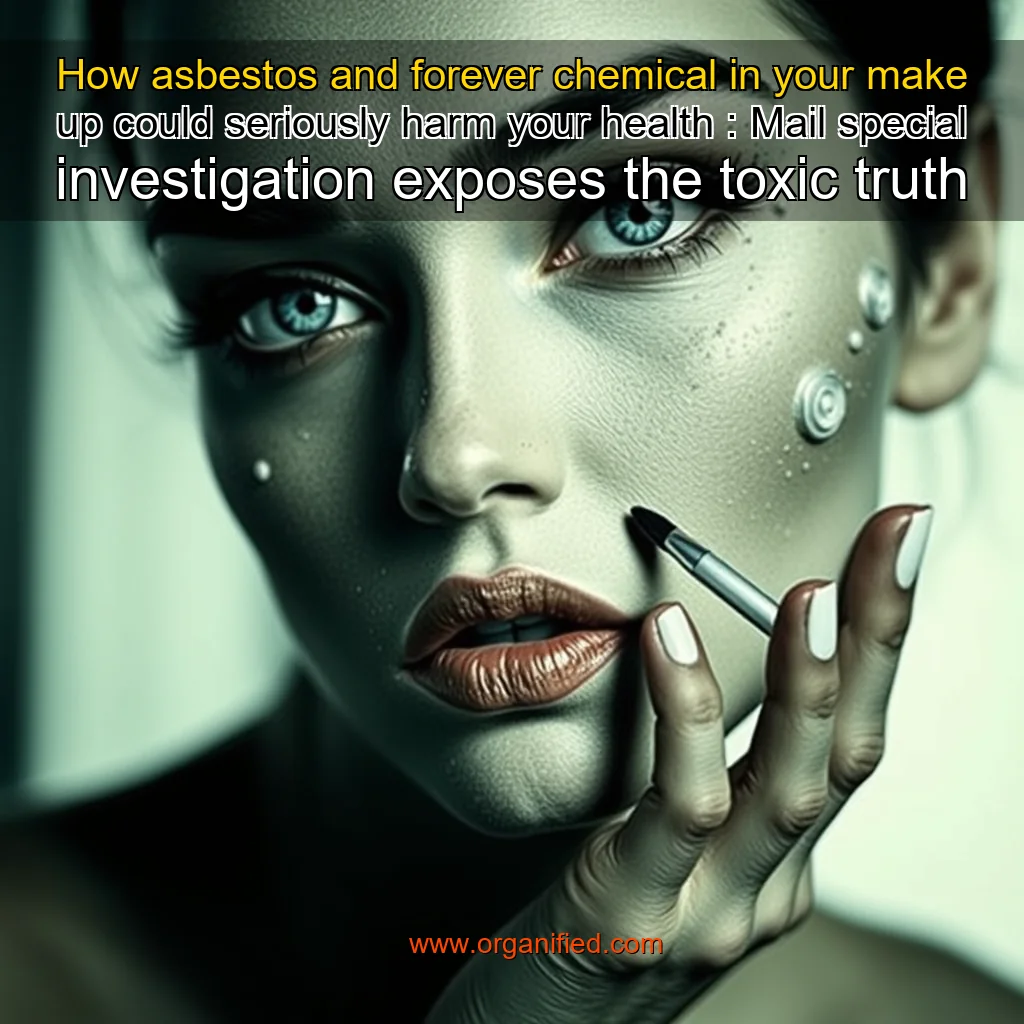
The BBC’s investigation into the potential health risks of asbestos in cosmetics found that the products contained a small amount of asbestos, but the amounts were not sufficient to pose a significant health risk.
The Investigation
The BBC’s investigation into the potential health risks of asbestos in cosmetics was sparked by a 2018 report from the International Agency for Research on Cancer (IARC), which classified asbestos as a “known human carcinogen.” The report highlighted the potential health risks associated with asbestos exposure, including lung cancer and mesothelioma.
The Products Tested
The BBC tested eight different talc-containing make-up products from various brands, including high-end and affordable options. The products were chosen to represent a range of different types of cosmetics, including eyeshadow, blush, and foundation.
‘It’s not just about the container, it’s about the whole system.’
The Dark Side of Refillable Containers
The idea of refillable containers has gained popularity in recent years, touted as a sustainable alternative to single-use plastics. However, a closer examination reveals that the environmental benefits of refillable containers may be overstated.
The Environmental Impact of Refillable Containers
Refillable containers are often made from durable materials such as stainless steel, glass, or BPA-free plastics. While these materials are certainly more sustainable than single-use plastics, the production process and disposal of these containers can have significant environmental consequences. The extraction and processing of raw materials required for the production of refillable containers can lead to deforestation, water pollution, and energy consumption. The manufacturing process itself can result in greenhouse gas emissions and waste generation. The disposal of refillable containers can also contribute to waste management issues, particularly if they are not properly recycled or disposed of.
The ‘Refill’ Concept: A Systemic Problem
The’refill’ concept, which relies on the idea of refilling containers at designated refill stations, can be problematic. This approach often relies on a complex system of infrastructure, logistics, and consumer behavior. The creation of dedicated refill stations can lead to the concentration of waste and pollution in specific areas. The reliance on a complex system can create barriers to access, particularly for marginalized communities. The’refill’ concept can also perpetuate a culture of disposability, as consumers may view the container as a disposable item rather than a reusable one.
A More Sustainable Approach
Rather than relying on refillable containers, a more sustainable approach might involve reducing consumption and waste altogether. This can be achieved through education, policy changes, and changes in consumer behavior.
‘It’s a form of modern slavery.’
The Dark Side of the Coconut Industry
The coconut industry is a significant contributor to the global economy, with millions of people relying on it for their livelihoods. However, the process of harvesting coconuts from tall trees has a dark side. Wild infant monkeys are often caught, chained, and trained to perform this task.
The Use of Monkey Labour
- The use of monkey labour is widespread in the coconut industry, particularly in Southeast Asia. Monkeys are caught in the wild and then trained to climb trees and retrieve coconuts. The monkeys are often chained to the tree to prevent them from escaping or harming themselves. The use of monkey labour is considered a form of modern slavery by many animal welfare organizations, including PETA. ### The Consequences of Monkey Labour
The Consequences of Monkey Labour
- The use of monkey labour has severe consequences for the monkeys, including physical harm and psychological trauma. Monkeys are often subjected to physical abuse, including beatings and whippings. The use of monkey labour also has negative impacts on the environment, including deforestation and habitat destruction. The coconut industry is also linked to the spread of diseases, including HIV and tuberculosis. ### The Fight Against Monkey Labour
The Fight Against Monkey Labour
- Many animal welfare organizations, including PETA, are working to end the use of monkey labour in the coconut industry. These organizations are advocating for the use of alternative methods, such as mechanical harvesting, to reduce the need for monkey labour. Governments and companies are also taking steps to address the issue, including implementing laws and regulations to protect monkeys and their habitats.
Want to avoid this harmful trend? You could stop buying coconut altogether, or Lush is one rare brand with a specific policy against any animal labour.
The Impact of PFAS on the Environment
PFAS are persistent organic pollutants (POPs) that can take years to degrade in the environment. They can contaminate soil, water, and air, and have been found in drinking water sources, wildlife, and even human tissues. Some of the ways PFAS can impact the environment include: