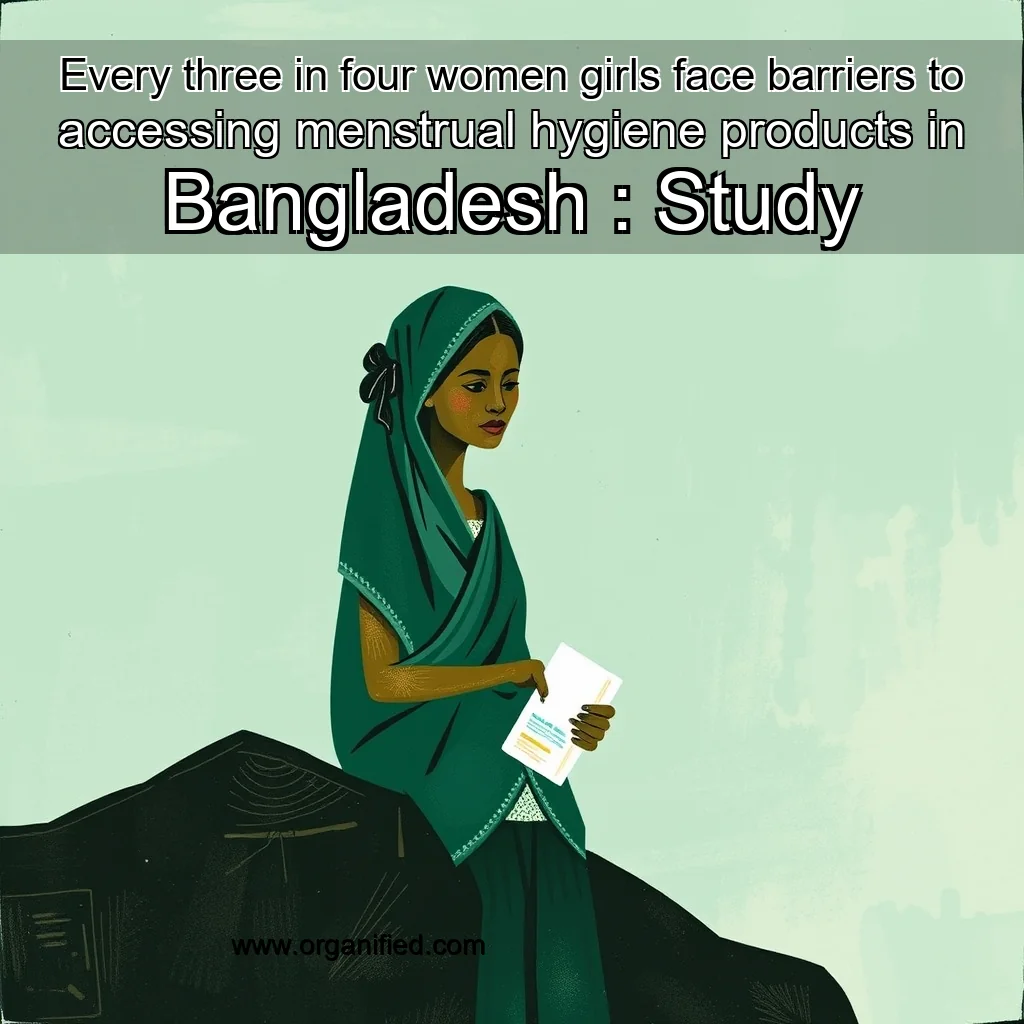
The use of cloth is not only a matter of personal preference but also a necessity due to the unavailability of affordable sanitary products in the country. The lack of access to proper menstrual hygiene facilities and education can lead to health issues such as urinary tract infections, vaginal infections, and even infertility.
The Challenges of Menstrual Hygiene Management in Bangladesh
Menstrual hygiene management (MHM) is a critical aspect of women’s health, particularly in low-income communities where access to sanitary products is limited. In Bangladesh, the situation is even more dire, with many women facing significant challenges in managing their menstrual health. The use of cloth as a primary means of menstrual hygiene is a common practice, but it also poses significant health risks if not managed properly. Key statistics:
- • 91% of women in low-income communities use cloth instead of menstrual pads. • 75% of women in these communities do not have access to proper menstrual hygiene facilities.
Raising awareness and making reusable products more accessible to overcome barriers to adoption.
Several countries have implemented initiatives to raise awareness and make products more accessible. Countries such as Japan, South Korea, and Sweden have seen increased adoption rates. These countries have implemented policies and programs to make reusable products more affordable and widely available, including subsidies, discounts, and education campaigns. For instance, in Japan, the government has established a national fund to support the development of reusable menstrual products. In Sweden, the government has implemented a tax on single-use pads to encourage the use of reusable products.
Step 1: Lack of awareness about reusable menstrual products
Only a minority of women, 27%, are aware of reusable menstrual products such as pads. This lack of awareness is a significant barrier to adoption, as it limits the number of women who can benefit from these products. Reusable menstrual products, such as pads and menstrual cups, offer several advantages over disposable products, including reduced waste, lower costs, and improved hygiene. However, the lack of awareness about these products means that many women are not aware of the benefits they can offer.
Step 2: High cost as a barrier to adoption
High costs are another major barrier to the adoption of reusable menstrual products. While the initial cost of purchasing a reusable product may be higher than the cost of disposable products, the long-term savings can be significant. However, many women may not be aware of the cost savings or may not have the financial resources to invest in reusable products.
Managing Menstrual Cycles for Better Health and Well-being.
The Importance of Menstrual Hygiene
Menstrual hygiene is a critical aspect of women’s health and well-being. It encompasses the management of menstrual cycles, including the use of sanitary products, hygiene practices, and access to menstrual health services. The World Health Organization (WHO) defines menstrual hygiene as “the ability to maintain good health and well-being during the menstrual cycle.”
The Challenges of Menstrual Hygiene
The challenges of menstrual hygiene are numerous and far-reaching.