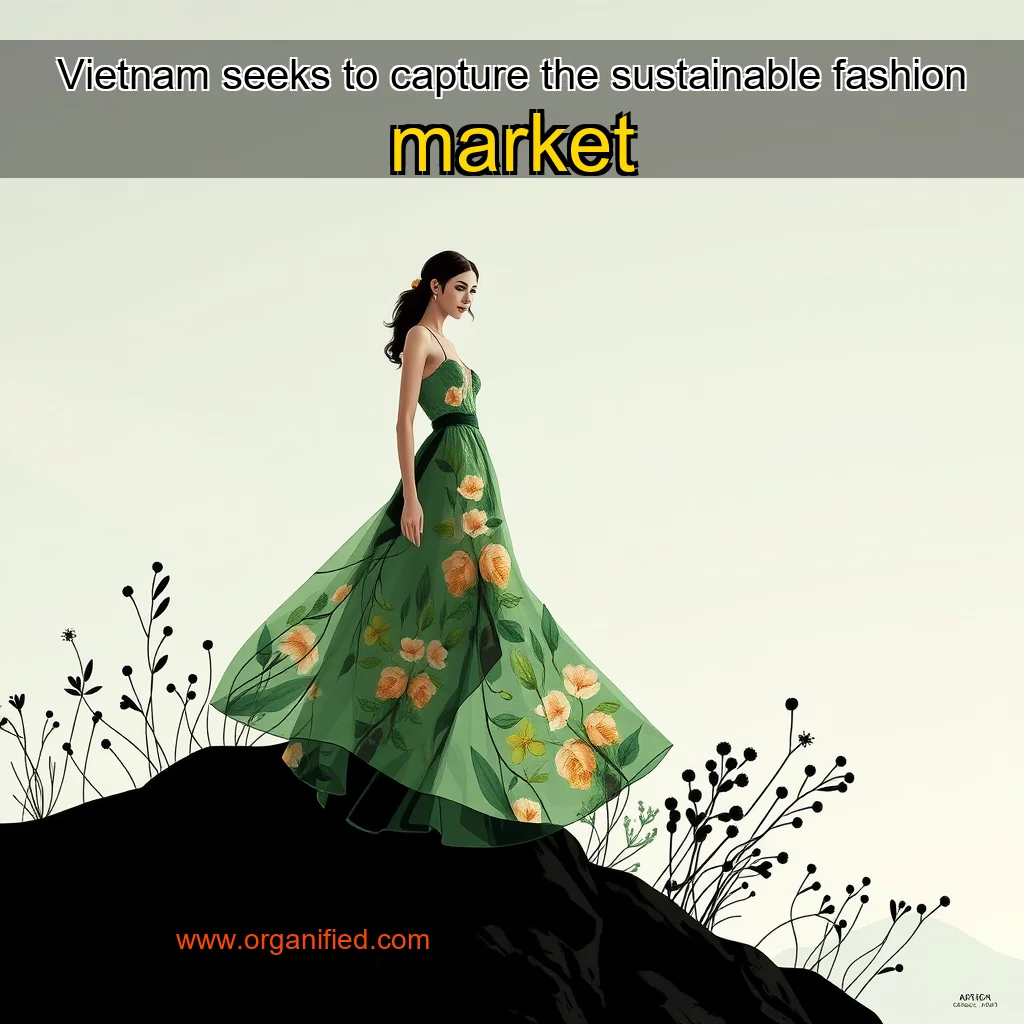
The Rise of Sustainable Fashion in Vietnam
Vietnam’s textile and garment industry has been growing rapidly over the past few decades, driven by its strategic location, favorable business environment, and competitive labor costs.
However, the industry still faces challenges in terms of environmental sustainability and labor rights.
Understanding the European Market
The European market is known for its stringent environmental and labor regulations. To meet these requirements, textile and garment businesses must adopt sustainable production methods and ensure fair labor practices. This is where “greening” production comes in – a process that involves implementing environmentally friendly practices and improving working conditions in the industry.
Key Challenges
EU sets ambitious targets to reduce textile industry’s environmental footprint.
The EU’s Vision for Sustainable Textiles
The European Union’s new strategy for sustainable textiles is a significant step towards reducing the environmental footprint of the textile industry. The EU has set ambitious targets to reduce greenhouse gas emissions, waste, and pollution from the textile sector. The strategy is built on three main pillars:
These materials are used to create a wide range of products, including clothing, home furnishings, and accessories.
The Importance of Sustainable Textiles in Vietnam
Vietnam’s textile industry is not only a significant contributor to the country’s economy but also plays a crucial role in promoting sustainable practices. The country’s commitment to sustainable textiles is driven by its desire to reduce its environmental footprint and promote eco-friendly production methods.
Key Benefits of Sustainable Textiles
The Role of Organic Materials in Sustainable Textiles
Organic materials are a key component of sustainable textiles in Vietnam. These materials are grown without the use of synthetic pesticides or fertilizers, which reduces the environmental impact of the textile industry.
Types of Organic Materials Used
Vietnamese Businesses Can Thrive in a Sustainable Textile Market with EU Standards.
The EU’s Sustainable Textile Strategy: A New Era for Vietnamese Businesses
The European Union’s (EU) sustainable textile strategy is a game-changer for the global textile industry.
Embracing eco-friendly production methods to reduce Vietnam’s environmental impact.
Encouraging Sustainable Production
Vietnam has made significant strides in reducing its environmental impact, but there is still much work to be done. One area of focus is promoting sustainable production practices in the manufacturing sector.
The Importance of Product Value in the Nordic Market
In the Nordic market, consumers are known for their high standards and expectations. They prioritize quality, sustainability, and unique designs. To succeed in this market, Vietnamese businesses must focus on enhancing product value through creative designs. This approach will not only help businesses stand out from the competition but also increase customer loyalty and retention.
Key Factors to Consider
E-commerce as a Key Channel to Access the Nordic Market
E-commerce is a crucial channel for Vietnamese businesses to access the Nordic market. The Nordic market is highly digital, and consumers are increasingly turning to online platforms to discover new products and brands.
Collaboration between the government and businesses is key to Vietnam’s industrial policy success.
The Importance of Collaboration in Industrial Policy
The success of industrial policy in Vietnam relies heavily on collaboration between the government and businesses. This is a crucial aspect of the country’s economic development strategy, as it enables the government to leverage the expertise and resources of the private sector to drive growth and innovation.
The Benefits of Collaboration
The Role of the Government
The government plays a vital role in creating an environment that fosters collaboration between businesses and the state. This includes:
The Role of Businesses
Businesses also play a crucial role in industrial policy, as they bring expertise and resources to the table. This includes: