The effects of climate change are being felt across the country, with more frequent and severe weather events.
The Impact of Climate Change on Ghana’s Coastlines
Climate change is having a profound impact on Ghana’s coastlines, with rising sea levels and increased storm intensity being the most pressing concerns. The country’s coastline is particularly vulnerable due to its low elevation and high population density.
However, these measures have proven to be ineffective in addressing the root causes of coastal erosion and flooding, and have instead led to the displacement of communities and the destruction of natural habitats.
The Limitations of Hard Engineering Solutions
A Brief History of Coastal Protection in Ghana
Ghana’s coastal regions have long been vulnerable to the impacts of climate change, including rising sea levels, increased storm frequency, and more intense rainfall events. In response to these threats, the government has invested heavily in coastal protection measures, including the construction of sea walls and groynes.
Here are some key benefits of green shorelines:
Benefits of Green Shorelines
Types of Green Shorelines
This process, known as “wetland filtering,” helps to maintain the health of marine ecosystems. However, the importance of wetlands extends beyond their role in water quality management. They also provide habitat for a wide range of plant and animal species, including migratory birds, fish, and other aquatic organisms. In addition, wetlands play a crucial role in supporting local fisheries, as they provide a nursery for many commercially important fish species. Unfortunately, coastal wetlands are facing numerous threats, including sea level rise, coastal development, and pollution. These threats can lead to habitat loss, reduced biodiversity, and decreased fisheries productivity. As a result, it is essential to protect and conserve coastal wetlands to maintain their ecological and economic benefits.
The Importance of Coastal Wetlands
Coastal wetlands are unique ecosystems that provide a range of ecological and economic benefits. They are found in coastal areas, including estuaries, mangroves, salt marshes, and seagrasses. These ecosystems are characterized by a mix of fresh and saltwater, which supports a diverse range of plant and animal species.
This is particularly important in areas with high erosion rates or where the shoreline is subject to frequent flooding.
Coastal Vegetation and Shoreline Stabilization
Coastal vegetation, including grasses and shrubs, provides a natural barrier against erosion and flooding. By stabilizing the soil, these plants help to prevent sedimentation and reduce the risk of landslides. Key benefits of coastal vegetation: + Reduces erosion and sedimentation + Prevents landslides and soil instability + Provides a natural barrier against flooding + Supports biodiversity and ecosystem health
Mangrove Forests and Shoreline Protection
Mangrove forests are widely recognized as a crucial component of coastal ecosystems.
Coastal ecosystems under threat, but still vital for protecting shorelines and regulating the climate.
Coastal ecosystems, including mangroves, coral reefs, and salt marshes, play a vital role in protecting shorelines, supporting biodiversity, and regulating the climate. However, these ecosystems are facing unprecedented threats, including rising sea levels, increased storm intensity, and ocean acidification.
Understanding the Challenges
The impacts of climate change on coastal ecosystems are far-reaching and multifaceted. Rising sea levels pose a significant threat to coastal communities, infrastructure, and ecosystems. As sea levels rise, coastal erosion and flooding become more frequent and severe, leading to loss of habitat and infrastructure. Increased storm intensity also exacerbates coastal erosion, as stronger winds and higher waves cause more damage to shorelines and coastal ecosystems. Key challenges facing coastal ecosystems: + Rising sea levels + Increased storm intensity + Ocean acidification + Coastal erosion and flooding
The Role of Coastal Ecosystems
Coastal ecosystems, such as mangroves, coral reefs, and salt marshes, play a critical role in protecting shorelines, supporting biodiversity, and regulating the climate. These ecosystems provide numerous benefits, including:
Integrated Coastal Management
Integrated coastal management (ICM) is a holistic approach to managing coastal ecosystems that takes into account the complex interactions between human and natural systems.
These services include primary production, water filtration, nutrient cycling, and habitat provision for various species of plants and animals. The Ghanaian government has taken steps to protect these shorelines through conservation efforts, including the establishment of protected areas and the promotion of sustainable fishing practices.
Restoration efforts can be implemented through various means, including the creation of artificial wetlands, the reintroduction of native species, and the removal of invasive species.
The Importance of Delta and Estuarine Environments in Ghana
Delta and estuarine environments in Ghana play a crucial role in supporting the survival of migratory birds. These wetlands provide essential breeding, feeding, and resting grounds for many species of birds that migrate through the region. The importance of these ecosystems cannot be overstated, as they are critical to the long-term survival of these species.
Habitat for Migratory Birds
However, seagrass beds are facing significant threats from human activities, including coastal development, pollution, and overfishing.
The Importance of Seagrasses
Seagrasses are often overlooked as a vital component of marine ecosystems, but they play a crucial role in maintaining the health and biodiversity of coastal areas.
This biodiversity supports a diverse range of fish species, including commercially valuable ones like the African catfish and the Nile tilapia. The presence of these species attracts tourists and supports the local fishing industry.
The Economic Benefits of Green Shorelines in Ghana
Green shorelines in Ghana offer a range of economic benefits to coastal communities. Some of the key advantages include:
The Role of Mangrove Forests in Supporting Fisheries
Mangrove forests play a crucial role in supporting fisheries in Ghana. These forests provide a habitat for a diverse range of fish species, including commercially valuable ones like the African catfish and the Nile tilapia.
The restoration of mangrove areas has also led to the creation of new habitats for various species of birds, reptiles, and mammals.
The Importance of Mangrove Restoration
Mangrove forests are often overlooked as a vital component of coastal ecosystems, but they play a crucial role in maintaining the health of our oceans. These unique ecosystems provide numerous benefits, including:
The Impact of Mangrove Restoration in Ghana
In Ghana, the restoration of mangrove areas has had a significant impact on local communities and the environment.
In this article, we will delve into the world of sustainable tourism in Ghana, focusing on the importance of preserving green shorelines.
The Importance of Green Shorelines in Ghana
Ghana’s coastline is a treasure trove of natural beauty, with pristine beaches, mangrove forests, and coral reefs. However, the increasing demand for tourism has put pressure on these delicate ecosystems. The preservation of green shorelines is crucial to maintaining the health of these ecosystems and ensuring the long-term sustainability of tourism in Ghana.
The Benefits of Ecotourism
Ecotourism is a type of tourism that focuses on the conservation of the environment and the promotion of cultural heritage. In Ghana, ecotourism has the potential to create jobs, promote cultural exchange, and reduce the pressure on overexploited resources. Some of the benefits of ecotourism in Ghana include:
The Challenges Facing Green Shorelines
Despite the benefits of ecotourism, there are several challenges facing green shorelines in Ghana. Some of the key challenges include:
The Importance of Coastal Ecosystems
Coastal ecosystems play a vital role in supporting the livelihoods of many communities in Ghana. These ecosystems provide numerous benefits, including:
The Impact of Coastal Degradation
Coastal degradation can have severe consequences for local communities.
The communities have also been empowered to take ownership of their coastal areas, leading to increased community participation and a sense of responsibility.
Community Engagement and Capacity Building
Green shoreline projects can have a profound impact on local communities, extending beyond environmental benefits to promote social and economic development.
Here are some key points to consider:
The Importance of Green Shorelines
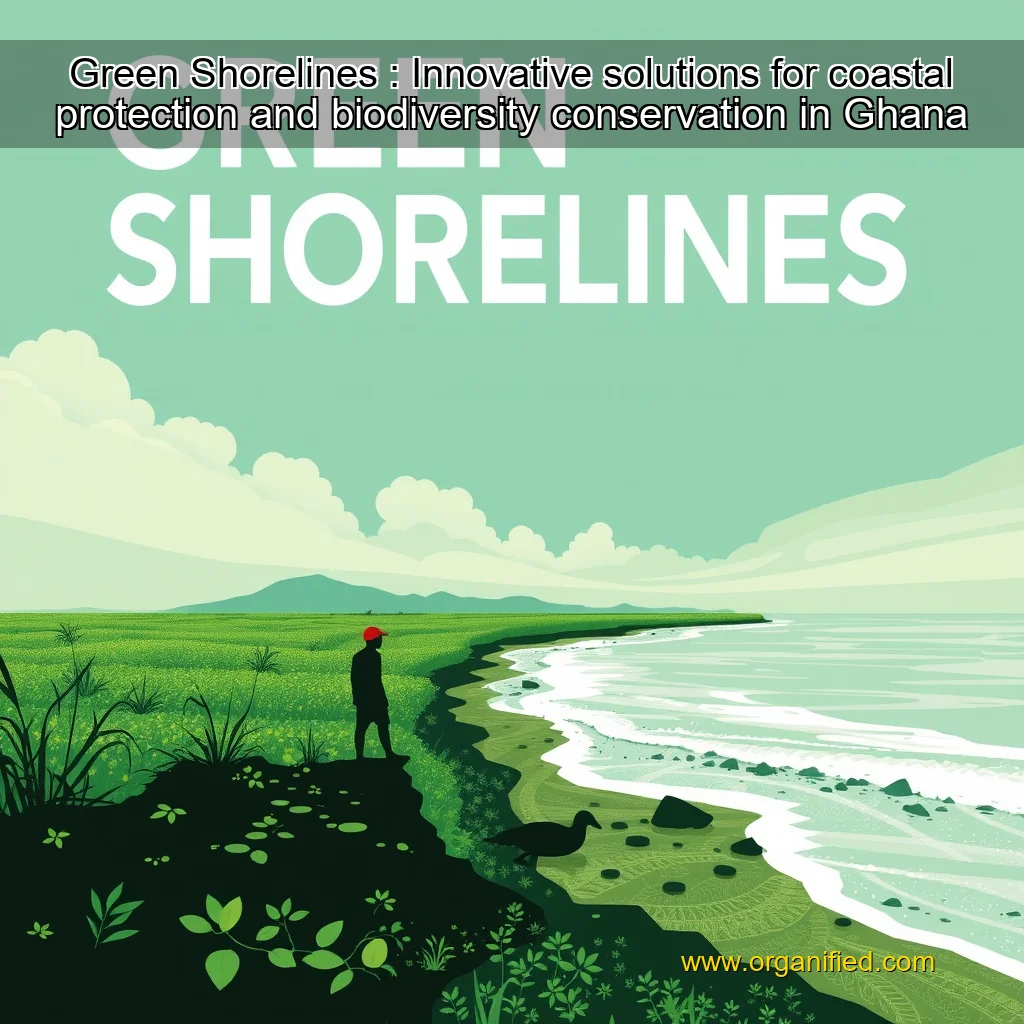
Green shorelines are a critical component of coastal protection in Ghana, providing numerous benefits for both the environment and local communities. Climate Change Resilience: Green shorelines help to mitigate the impacts of climate change by reducing wave energy, preventing erosion, and protecting against flooding. Biodiversity Conservation: Mangrove forests, wetlands, and seagrass meadows provide habitat for a wide range of plant and animal species, many of which are found nowhere else on Earth. * Livelihood Support: Restoration of green shorelines can provide income opportunities for local communities through sustainable fishing, tourism, and eco-friendly products.**
The Role of Restoration Efforts
Restoration of green shorelines is crucial for maintaining the health and resilience of Ghana’s coastlines. Mangrove Forest Restoration: Mangrove forests can be restored through the planting of native species, removal of invasive species, and rehabilitation of degraded areas. Wetland Restoration: Wetlands can be restored by creating artificial wetlands, reintroducing native species, and reducing pollution. * Seagrass Meadow Restoration: Seagrass meadows can be restored through the planting of native species, reducing pollution, and promoting sustainable fishing practices.**
Case Studies
Several case studies demonstrate the effectiveness of green shoreline restoration in Ghana. Kpong Reservoir: The Kpong Reservoir in Ghana has been restored through the creation of a mangrove forest, which has helped to reduce erosion and protect against flooding.
A Conversation with Albert Derrick Fiatui: Maritime Policy and Ocean Governance
As we sit down with Albert Derrick Fiatui, Executive Director at the Centre for International Maritime Affairs, Ghana (CIMAG), we are met with a wealth of knowledge and experience in the realm of maritime policy and ocean governance. With a deep understanding of the complexities involved in managing our oceans, Mr. Fiatui shares his insights on the importance of effective governance, the challenges faced by coastal communities, and the role of international cooperation in addressing these challenges.
The Importance of Effective Governance
Effective governance is crucial in ensuring the sustainable use of our oceans.