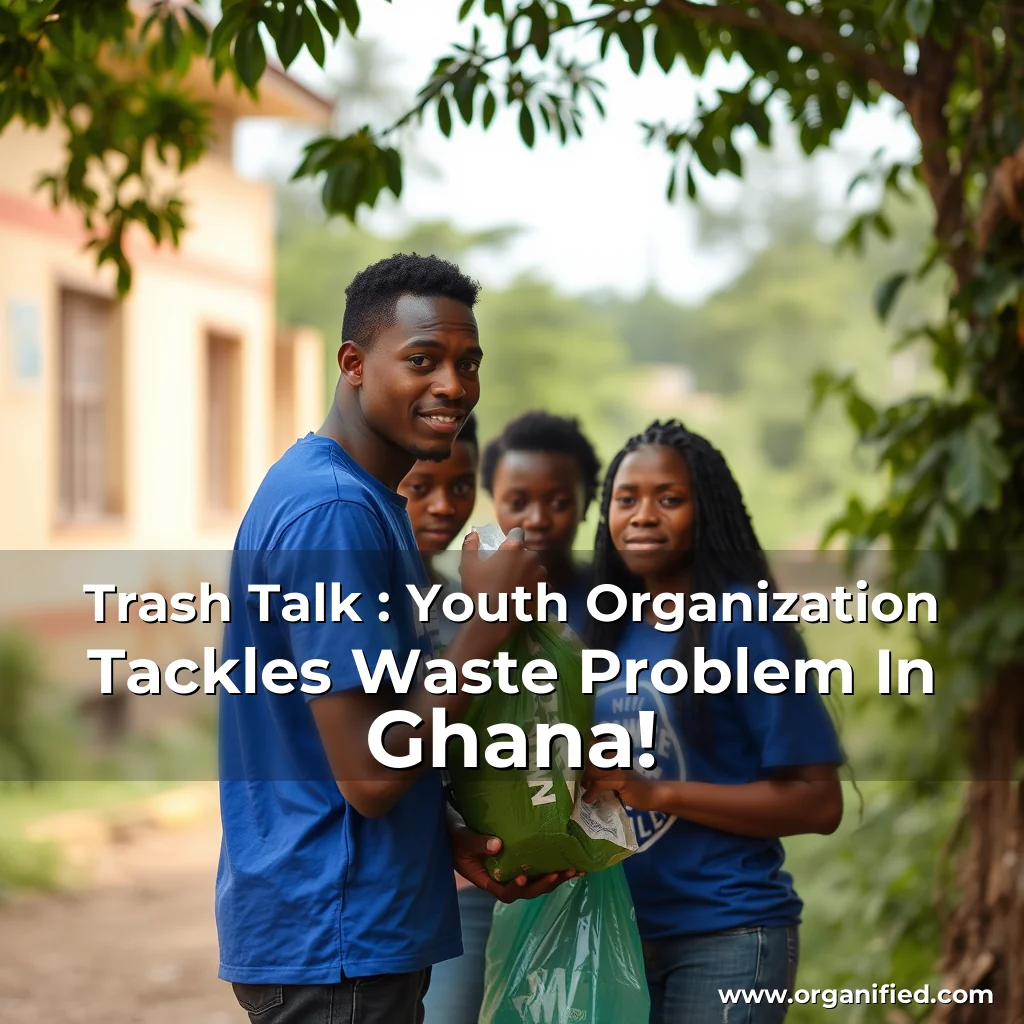
This practice not only reduced waste but also created a nutrient-rich fertilizer for our crops.
How Composting Works
Composting is a natural process that involves breaking down organic waste into a nutrient-rich fertilizer. The process typically involves collecting organic waste, mixing it with other materials, and allowing it to decompose.
The pollution is also affecting the livelihoods of local communities, causing them to lose their traditional fishing grounds and affecting the quality of their water supply. The impact of pollution on the Volta River is not limited to the local communities. The pollution is also affecting the environment and wildlife. The river is home to many endangered species, including the African elephant, the hippopotamus, and the crocodile. The pollution is causing these species to decline in numbers, threatening their survival. The Ghanaian government has taken steps to address the pollution problem. The government has implemented policies to reduce pollution from industrial activities, such as the use of cleaner fuels and the implementation of waste management systems. However, more needs to be done to address the scale and severity of the pollution problem. The Ghanaian government has also launched initiatives to promote sustainable development and reduce the country’s carbon footprint. The government has set targets to increase the use of renewable energy sources, such as wind and solar power, and to reduce the use of fossil fuels. The impact of climate change on the environment and wildlife is a global issue, not just a local problem in Ghana. The effects of climate change are being felt across the world, from rising sea levels to more frequent natural disasters. The Ghanaian government is not alone in addressing this issue, and other countries are also taking steps to reduce their carbon footprint and promote sustainable development. The international community is also playing a role in addressing the climate crisis.
Key Players and Founders
The Green Africa Youth Organization (GAYO) was founded by three university lecturers from the University of Cape Coast, who were passionate about empowering young people to take action on climate change. These individuals played a pivotal role in shaping the organization’s mission and vision. • The founders’ academic backgrounds and expertise in environmental science and policy informed the development of GAYO’s climate change mitigation strategies.
The Impact of Infrastructure on Waste Management
The lack of infrastructure to support a zero-waste lifestyle can hinder efforts to reduce waste and promote sustainability. In the context of the provided summary, the municipalities’ inability to transport sorted waste to designated facilities effectively limits the effectiveness of the locals’ efforts to adopt a zero-waste lifestyle.
The consequences of inadequate infrastructure can be far-reaching and have significant impacts on the environment.
These activities are part of our broader commitment to promoting disaster risk reduction, gender equality, and environmental protection. Our work focuses on creating awareness and engaging local communities in sustainable practices, which ultimately contribute to reducing disaster risk and promoting sustainable development. Creating Awareness and Engaging Local Communities Our approach to disaster risk reduction focuses on creating awareness among local communities about the importance of sustainable practices. We believe that by educating people about the impact of human activities on the environment and disaster risk, they can take proactive steps to reduce their vulnerability to natural disasters. Our work in Ghana aims to promote sustainable development by engaging local communities in sustainable practices that contribute to disaster risk reduction and environmental protection. In Ghana, we have been working with local communities to promote sustainable practices such as composting, recycling, and proper waste disposal. Our goal is to create a culture of sustainability among the local communities, which will lead to a reduction in disaster risk and environmental degradation. We have also been working with local schools to educate children about disaster risk reduction, environmental protection, and sustainable development.
We recycled glass into bottles, jars and windows. We recycled paper into cardboard boxes, paper towels and toilet paper rolls.
The winners of the challenge received an all-expenses-paid trip to the United Nations High-Level Political Forum (UNFCCC) in New York, where they had the opportunity to engage with international leaders and learn from experts in the field. The impact of this challenge is evident in the innovative projects implemented across the governments and private sector in Africa, resulting from the partnerships formed between the winners and the international community. GAYO also partners with various international organizations, such as the World Wildlife Fund (WWF) and the Climate and Clean Air Coalition (CCAC). These partnerships enable GAYO to leverage the expertise and resources of these organizations to support its mission. For instance, GAYO has worked with the WWF to develop a sustainable agriculture program that promotes environmentally friendly farming practices, while CCAC has supported GAYO’s efforts to reduce short-lived climate pollutants. These partnerships have not only enhanced GAYO’s capacity but also enabled it to amplify its impact in the region.
Further details on this topic will be provided shortly.