Chemicals of Concern
The UAE has identified several chemicals commonly found in household cleaning products that pose a risk to human health.
Her case highlights the risks of occupational exposure to cleaning products in the workplace.
Chemical Composition and Health Risks
Cleaning products contain a cocktail of chemicals that can pose serious health risks to workers, including Deepa KC. These chemicals can cause respiratory problems, skin irritation, and even cancer. • The main culprits behind these health risks are volatile organic compounds (VOCs), which are released when cleaning products are used. • VOCs can cause respiratory problems, including asthma and chronic obstructive pulmonary disease (COPD).
The Impact of Cleaning Products on Health
The use of cleaning products has become a ubiquitous aspect of modern life, with many households relying on them to maintain cleanliness and hygiene. However, the impact of these products on human health has been largely overlooked, with many individuals, like Xin Mei, unknowingly exposing themselves to toxic chemicals that can cause a range of health problems.
These chemicals can cause a range of health problems, including respiratory issues, skin irritation, and even cancer.
The Importance of Ventilation
Proper ventilation is crucial when using cleaning products, as it can help to reduce the concentration of chemicals in the air. This can be achieved by opening windows, using fans, or installing ventilation systems.
The Hidden Dangers of Indoor Air Pollution
Indoor air pollution is a growing concern in many countries, including the United States.
The Hidden Dangers of Cleaning Products
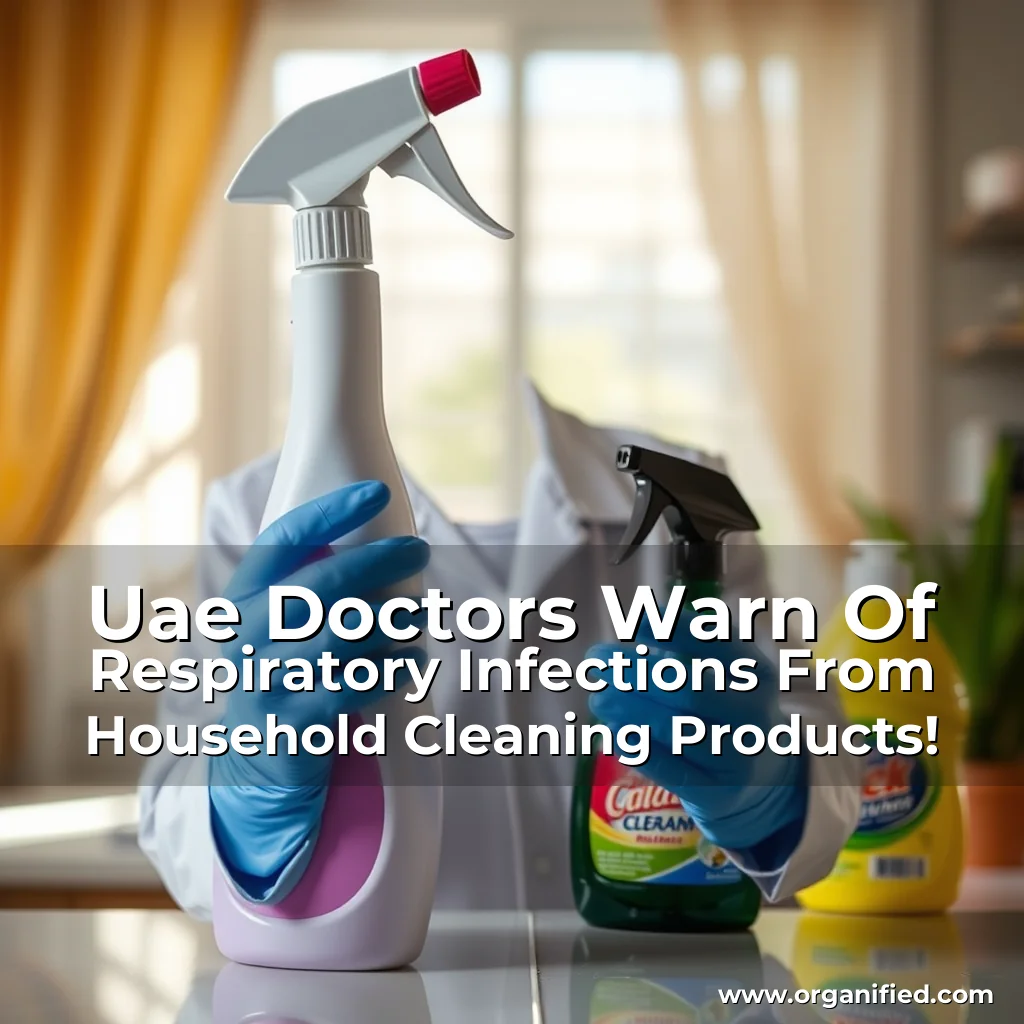
In the UAE, the use of cleaning products is a common practice, especially during the hot summer months when the temperature can soar to extreme levels. However, the use of these products can pose significant respiratory risks to individuals, particularly those with pre-existing conditions.
The Impact on Pre-existing Conditions
Individuals with pre-existing respiratory conditions, such as asthma or chronic obstructive pulmonary disease (COPD), are particularly vulnerable to the respiratory risks associated with cleaning products. The VOCs released by these products can trigger asthma attacks, exacerbate symptoms, and even lead to hospitalization.
Chemical Composition and Properties
Chlorine is a highly reactive gas that readily forms hypochlorous acid when mixed with water. This reaction is the basis for its disinfectant properties. The chemical formula for sodium hypochlorite, the active ingredient in bleach, is NaOCl.
Among these, acute respiratory infections (ARIs) are the most common type of respiratory illness seen in pediatric patients. Acute respiratory infections encompass a broad range of conditions that can be caused by various pathogens, including viruses, bacteria, and fungi.