Here are some examples:
Using reclaimed wood in construction projects can also help reduce the environmental impact of urbanization.
Environmental Impact
The use of reclaimed wood in construction projects can have a significant positive impact on the environment. Some of the ways in which reclaimed wood can help reduce the environmental impact of urbanization include:
Examples of Reclaimed Wood Projects
There are many examples of successful reclaimed wood projects around the world. Some notable examples include:
Conclusion
Reclaimed wood is a valuable resource that can help reduce the environmental impact of urbanization. By using reclaimed wood in construction projects, we can reduce our carbon footprint, lower energy consumption, and preserve natural resources.
These products are used in a wide range of applications, including furniture, construction, and packaging. ##
Types of Composite Wood Products
Composite wood products are diverse and serve various purposes. Some of the most common types include:
##
Properties and Benefits
Composite wood products have several properties and benefits that make them useful in various applications. Some of the key advantages include:
##
Applications and Uses
Composite wood products have a wide range of applications and uses.
Innovative Materials for Cabinets
In the quest for sustainability, manufacturers are pushing the boundaries of traditional cabinet-making materials. Gone are the days of solely relying on wood, MDF, and other conventional materials. Today, innovative materials are being used to create cabinets that not only reduce waste but also offer a unique aesthetic appeal.
These materials are not only eco-friendly but also offer a range of benefits, including reduced waste, lower carbon footprints, and improved indoor air quality.
These materials are being used to create cabinets that are not only sustainable but also offer unique design possibilities.
Water-based finishes are a popular choice among homeowners and professionals alike.
These chemicals can cause a range of health problems, including respiratory issues, headaches, and even cancer.
Plant-Based Finishes: A Sustainable Alternative
Plant-based finishes are a growing trend in the world of interior design and home decor. These eco-friendly alternatives to traditional finishes offer a range of benefits, from reduced environmental impact to improved indoor air quality.
Plant-based finishes are a popular choice among homeowners and designers who prioritize sustainability and health.
Key Takeaways
Understanding the Importance of Certifications
In the pursuit of sustainability, consumers are increasingly seeking out products that not only meet their needs but also align with their values. One way to ensure that products are environmentally friendly is through certifications that guarantee their sustainability.
SCS Global Services is the certifying body for this program.
How the ESP Program Works
The ESP program involves a rigorous certification process that assesses a manufacturer’s environmental performance.
Some of these practices include:
These sustainable practices not only reduce the environmental footprint of the custom cabinetry but also contribute to a healthier indoor environment for occupants.
Design Considerations
When designing custom cabinetry, it’s essential to consider the following factors:
Materials and Finishes
The choice of materials and finishes for custom cabinetry can significantly impact its eco-friendliness.
Sustainable Design Principles
Sustainable design is an approach that considers the environmental, social, and economic impacts of a product or system. In the context of cabinets, sustainable design involves principles that maximize functionality and longevity of cabinets while minimizing their environmental impact.
Benefits of Sustainable Design
Sustainable design offers numerous benefits, including:
Case Study: Eco-Friendly Cabinets
A manufacturer of eco-friendly cabinets has implemented sustainable design principles in their production process.
Sustainable Cabinet Assembly and Construction
Cabinet assembly and construction should prioritize sustainability to minimize environmental impact.
Ensuring that the assembly process is conducted in a well-ventilated area and using environmentally friendly materials whenever possible will further reduce the environmental impact of the assembly. In the context of the cabinet maker’s work, advanced cutting techniques like CNC technology can significantly impact the efficiency and environmental sustainability of the assembly process. By leveraging CNC technology, the cabinet maker can optimize material usage and minimize waste, thereby reducing the overall environmental footprint of the assembly. For instance, CNC machines can be programmed to cut specific shapes and designs with precision and accuracy, allowing the cabinet maker to create complex geometries and minimize material waste. This not only reduces the amount of material required but also decreases the amount of waste generated during the assembly process.
Understanding the Importance of LCA Results
When shopping for a new product, consumers often prioritize factors such as price, brand reputation, and customer reviews. However, a crucial aspect that is often overlooked is the environmental impact of the product. Life cycle assessment (LCA) results provide a comprehensive evaluation of a product’s environmental impact, from raw material extraction to end-of-life disposal.
Local Sourcing of Materials
Sourcing materials locally can significantly reduce the environmental impact of creating custom cabinets. By choosing a manufacturer that sources all or most of their products locally, you can minimize the carbon footprint associated with transporting materials from distant locations. This approach also supports local economies and reduces the need for long-distance transportation, which can lead to greenhouse gas emissions. • Some benefits of local sourcing include:
Benefits of Local Sourcing
Local sourcing of materials can have numerous benefits for both the environment and the local community. By choosing a local manufacturer, you can reduce the environmental impact of your custom cabinets and support local businesses.
Sustainable Materials
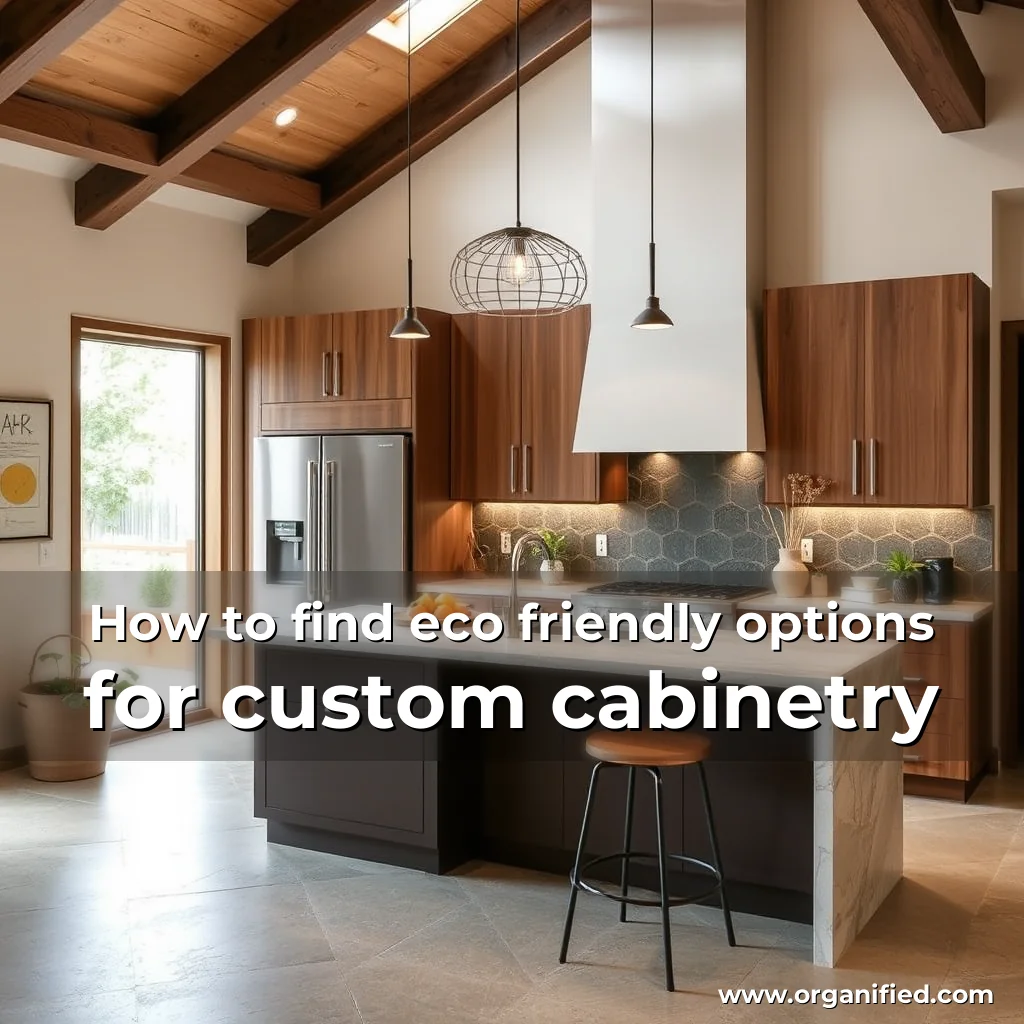
Eco-friendly cabinets are crafted from materials that not only minimize environmental harm but also provide a unique aesthetic appeal. Bamboo, for instance, is a highly renewable resource that requires minimal water and pesticides to cultivate. Reclaimed wood, on the other hand, reduces waste by utilizing salvaged materials from old buildings. FSC-certified wood, certified by the Forest Stewardship Council, ensures that the wood is harvested from responsibly managed forests. • Key benefits of using sustainable materials include:
Energy Efficiency
The manufacturing process of eco-friendly cabinets is designed to prioritize energy efficiency and waste reduction. This is achieved through the use of energy-efficient equipment, such as LED lighting and solar-powered tools. Additionally, the production process is optimized to minimize waste and reduce energy consumption. • Energy-efficient features include:
Waste Reduction
Eco-friendly cabinets are designed to minimize waste throughout the entire production process. This is achieved through the use of waste-reducing materials, such as recycled materials and bioplastics. • Waste-reducing features include:
Aesthetic Appeal
Eco-friendly cabinets not only minimize environmental harm but also provide a unique aesthetic appeal.
The use of natural materials such as wood, bamboo and cork increases the environmental benefits of the eco-friendly cabinet design. Reclaimed materials are preferred over new materials to reduce waste and minimize environmental impact. LED lighting systems, which use significantly less energy than traditional lighting systems, can be integrated into the design. Low-VOC paints and stains are used to reduce indoor air pollution. Sustainable and eco-friendly cabinet designs not only benefit the environment but also contribute to a healthier indoor air quality. In addition, the use of eco-friendly materials reduces the risk of chemical contamination. This can be seen in the use of materials such as bamboo and cork, which are naturally resistant to pests and decay. The incorporation of natural ventilation systems can also improve indoor air quality by reducing the reliance on air conditioning. Eco-friendly cabinet designs also consider the long-term cost savings of sustainable materials and energy-efficient systems. The use of reclaimed materials, for instance, can reduce maintenance costs by minimizing the need for frequent replacements. Moreover, the reduced energy consumption of eco-friendly systems can lead to lower utility bills. As consumers become increasingly environmentally conscious, eco-friendly cabinet designs have become a sought-after solution for homeowners seeking to create a healthier and more sustainable living space.