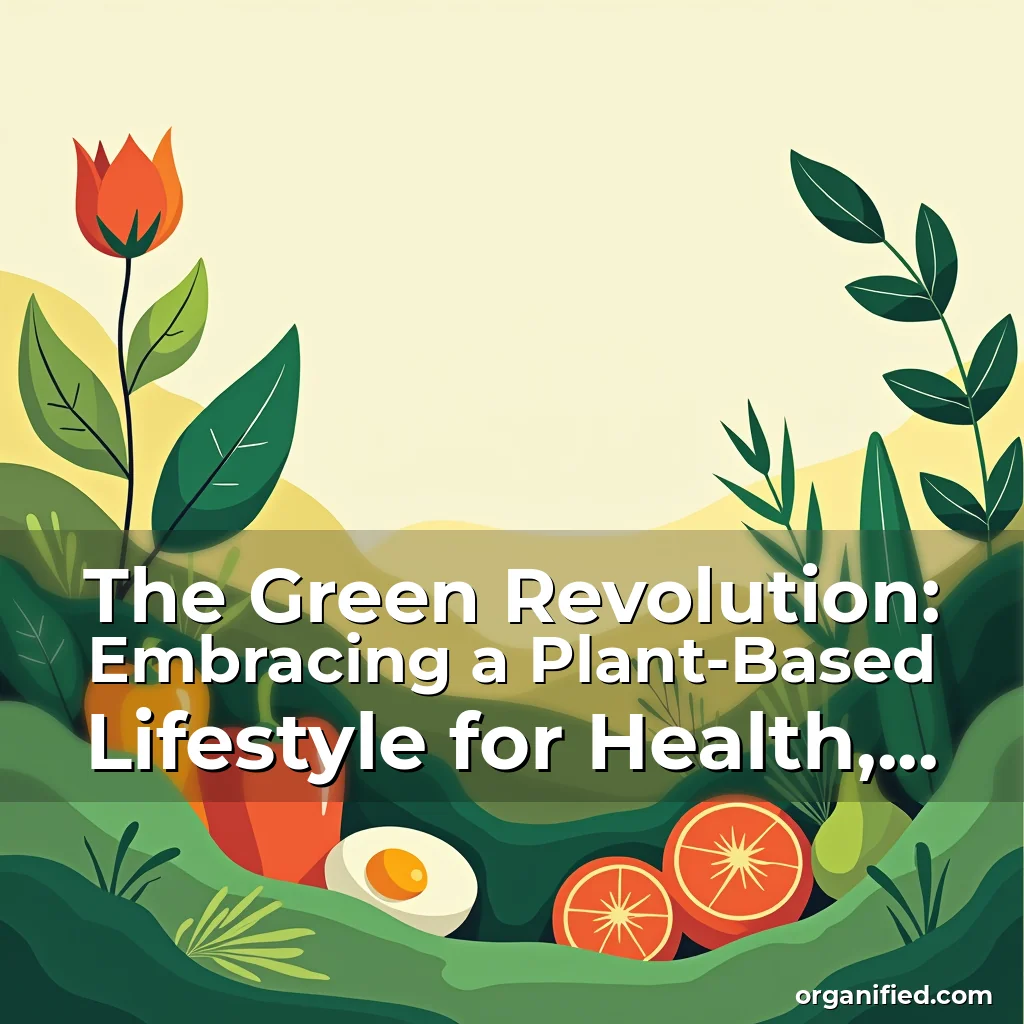
The Green Revolution: Embracing a Plant-Based Lifestyle for Health, Sustainability, and Community
In an era where environmental concerns are at the forefront of global conversations, adopting a plant-based lifestyle has emerged as a powerful response to some of today’s most pressing challenges. This shift is not merely dietary—it represents a holistic approach to living that encompasses health, sustainability, and social responsibility.
By choosing plants over animal products, individuals contribute to reducing carbon footprints, conserving natural resources, and promoting ethical treatment of animals. The benefits extend beyond personal well-being; they ripple through communities and ecosystems alike, making the case for a plant-based life compelling and multifaceted.
The Science Behind the Shift: Understanding Nutritional Benefits
A growing body of scientific research underscores the nutritional advantages associated with plant-based diets. Studies consistently show that such diets can lower risks of chronic diseases including heart disease, diabetes, and certain cancers. These findings have prompted many healthcare professionals to recommend incorporating more plant foods into daily meals.
Plant-based eating emphasizes whole grains, legumes, fruits, vegetables, nuts, and seeds—foods rich in fiber, vitamins, minerals, and antioxidants. Unlike processed meats often found in conventional diets, these nutrient-dense options support overall bodily functions without the harmful additives commonly present in non-vegan alternatives.
One key benefit of focusing on plant-derived nutrients is their role in maintaining optimal gut health. A diet high in fiber from sources like broccoli, kale, and lentils promotes healthy digestion by feeding beneficial bacteria in our intestines. This microbial balance plays crucial roles in immunity and metabolic processes.
Moreover, plant-based diets naturally encourage hydration due to their high water content. Fruits like watermelon and cucumbers contain significant amounts of water which helps maintain fluid levels essential for kidney function and temperature regulation within the body.
- Vitamin C: Found abundantly in citrus fruits, bell peppers, and strawberries, vitamin C supports immune system function and aids in collagen production.
- Folate: Present in leafy green vegetables and fortified cereals, folate contributes significantly to DNA synthesis and cell division, particularly vital during pregnancy for fetal development.
Sustainable Living Through Plant-Centric Choices
Environmental sustainability lies at the core of the plant-based movement. Livestock farming accounts for approximately 14.5% of global greenhouse gas emissions according to reports by the Food and Agriculture Organization (FAO). By reducing meat consumption, individuals play an active role in mitigating climate change impacts.
Animal agriculture also consumes vast quantities of freshwater—a single pound of beef requires roughly 1,800 gallons of water compared to only 39 gallons needed for producing one pound of wheat. Choosing plant-based proteins thus becomes an effective strategy for preserving precious water reserves globally.
Land Use Efficiency
Approximately 77% of agricultural land worldwide is used for raising livestock rather than cultivating crops meant for direct human consumption. This inefficient use leads to deforestation and loss of biodiversity, exacerbating ecological degradation across continents.
Transitioning towards plant-centric diets could free up millions of acres currently devoted to grazing lands and feedlots. Redirecting these spaces toward growing diverse crop varieties would enhance food security while simultaneously restoring degraded environments.
Economic Implications of Adopting a Plant-Based Diet
The economic landscape surrounding plant-based lifestyles reveals both opportunities and challenges. As demand increases for plant-based products, new markets emerge offering innovative solutions tailored specifically to meet evolving consumer needs.
Investment trends indicate rising interest among venture capitalists who see potential profitability in developing sustainable food technologies. Companies focused on creating lab-grown meats or plant-based protein substitutes receive substantial funding aimed at revolutionizing traditional food industries.
This surge in innovation brings about job creation within sectors related to agriculture technology, product development, marketing strategies centered around eco-friendly branding, and distribution networks optimized for reduced transportation costs.
Cultural Perspectives on Plant-Based Eating Across Global Communities
Different cultures historically embraced plant-based diets long before modern wellness movements popularized them. In countries such as India, Buddhist monks practiced vegetarianism centuries ago based on spiritual beliefs regarding compassion towards all beings.
Similarly, Mediterranean regions traditionally emphasized diets rich in olive oil, legumes, whole grains, and fresh produce—an approach recognized internationally for its cardiovascular benefits despite being primarily plant-focused rather than explicitly vegan or vegetarian.
However, cultural norms may sometimes pose barriers when attempting to adopt fully plant-based lifestyles. For instance, in societies where meat symbolizes status or hospitality, shifting away from such traditions might require thoughtful communication strategies emphasizing shared values like family bonding over meals.
Navigating Challenges: Overcoming Obstacles to Going Plant-Based
While transitioning to a plant-based lifestyle offers numerous rewards, several obstacles must be addressed effectively. One common challenge involves overcoming misconceptions about adequate nutrition solely derived from plant sources.
Many people worry whether they will get enough protein without consuming meat or dairy. However, numerous studies confirm that plant-based protein sources—including beans, tofu, tempeh, quinoa—are highly nutritious and sufficient when consumed regularly as part of balanced meal plans.
Access remains another hurdle faced especially by those residing in underserved areas lacking grocery stores selling fresh organic produce. Initiatives such as urban gardening projects help bridge this gap by empowering local populations to grow their own food sustainably regardless of geographic limitations.
Additionally, time constraints often prevent busy individuals from preparing elaborate plant-based dishes. Fortunately, there’s been an increase in ready-to-eat plant-based meals available commercially, providing convenient yet wholesome alternatives suitable even for fast-paced schedules.
Building Supportive Networks Within Your Community
Creating supportive environments fosters successful transitions into plant-based living. Joining groups dedicated to sharing recipes, discussing nutritional aspects, or organizing cooking classes strengthens communal bonds while encouraging collective growth.
Local initiatives like farmers’ markets offer excellent platforms for connecting with growers committed to environmentally conscious practices. Engaging directly with producers enhances awareness about seasonal availability and encourages mindful purchasing decisions aligned with personal ethics.
Furthermore, participating in educational workshops hosted by registered dietitians ensures accurate information regarding macronutrient requirements tailored specifically for vegetarians and vegans aiming to thrive physically and mentally under new dietary guidelines.
Empowering Future Generations Through Education
Introducing children early to plant-based principles lays strong foundations for lifelong healthy habits. Schools integrating lessons about sustainable food systems empower students to make informed choices benefiting themselves and future generations.
Hands-on learning experiences such as school gardens provide practical understanding about how food grows naturally versus industrially produced counterparts. Such activities instill appreciation for nature alongside basic knowledge concerning nutrition science fundamentals.
Parental involvement proves critical in reinforcing classroom teachings at home settings. When families model behaviors consistent with what educators promote inside classrooms, consistency reinforces positive reinforcement loops necessary for behavior modification success rates.
Conclusion
The journey toward embracing a plant-based lifestyle intertwines deeply with broader societal goals encompassing public health improvement, planetary conservation efforts, and fostering inclusive communities grounded upon mutual respect for all forms of life.
To begin your transformation today, consider starting small by gradually increasing intake of colorful fruits and vegetables each day until eventually replacing processed animal products entirely with deliciously satisfying plant-forward equivalents designed precisely for fulfilling every aspect of human physiology optimally.