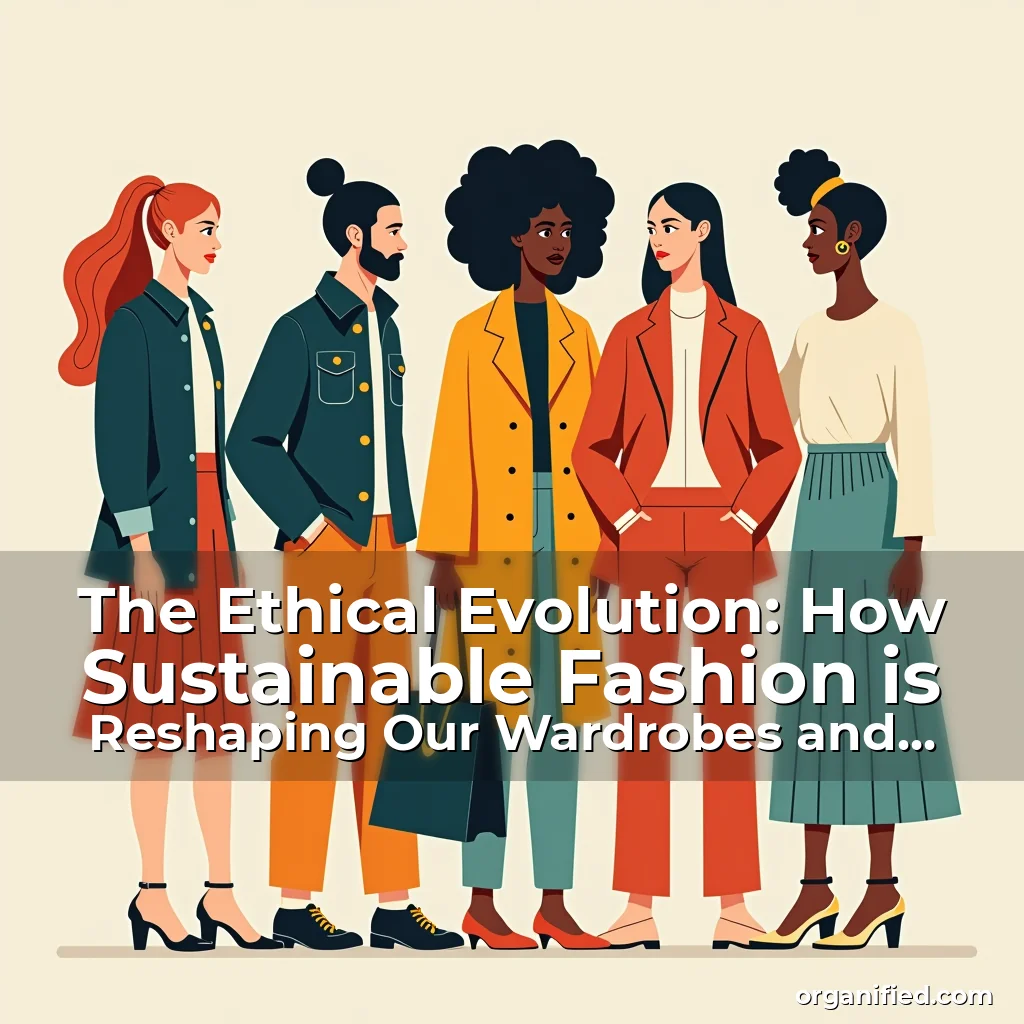
The Ethical Evolution: How Sustainable Fashion is Reshaping Our Wardrobes and Values
In an era where fast fashion dominates retail shelves and social media trends dictate our style choices, a quiet revolution is taking place within the textile industry. Sustainable fashion emerges as a powerful response to the environmental degradation caused by mass production practices.
This movement challenges consumers to reconsider their relationship with clothing while promoting ethical labor standards across global supply chains. As awareness grows, more individuals are seeking alternatives that align with their values without compromising on style or quality.
Redefining Consumer Behavior Through Conscious Choices
Sustainable fashion begins with a shift in consumer mindset towards mindful consumption. This means buying fewer but higher-quality garments designed to last longer through careful craftsmanship and durable materials.
Consumers are increasingly prioritizing brands that offer transparency about sourcing methods, manufacturing processes, and fair wages paid to workers. These expectations reflect a growing demand for accountability from apparel companies worldwide.
- Ethical Sourcing: Choosing fabrics made from organic cotton reduces water usage compared to conventional farming methods which rely heavily on pesticides and synthetic fertilizers.
- Circular Economy Models: Brands adopting take-back programs allow customers to return used items for recycling or resale, extending product lifecycles significantly beyond initial ownership periods.
The Environmental Impact of Fast vs. Sustainable Practices
The fashion industry’s contribution to pollution remains staggering; approximately 85% of textiles end up in landfills each year due largely to disposable culture promoted by inexpensive, quickly discarded clothing lines.
Sustainable initiatives counteract these issues by focusing on reducing waste at every stage—from raw material extraction through final disposal phases. Innovations such as biodegradable dyes and closed-loop systems exemplify this approach effectively.
Quantifying the Damage
According to reports from The Ellen MacArthur Foundation, producing clothes consumes vast amounts of resources annually—approximately 93 million tons of fibers globally. Of those, only around 1% gets recycled back into new products currently available on marketplaces.
These statistics underscore why implementing circular economy principles becomes essential for mitigating long-term ecological damage associated with traditional garment production techniques prevalent today.
Pioneering Materials Driving Sustainability Forward
Advancements in fabric technology have led to development of innovative materials that minimize environmental footprints while maintaining comfort levels expected from modern attire options.
Bioengineered textiles derived from algae or mushroom mycelium present promising solutions capable of replacing petroleum-based synthetics commonly found in contemporary wardrobes without sacrificing performance characteristics.
Supporting Fair Labor Standards Globally
A cornerstone principle behind sustainable fashion involves ensuring safe working conditions alongside equitable pay structures for factory employees involved throughout entire production cycles.
Organizations certifying ethical compliance help identify trustworthy manufacturers committed to protecting human rights rather than exploiting vulnerable populations often trapped within exploitative sweatshop environments abroad.
Fashion Industry Leaders Championing Change
Several well-known designers now actively participate in sustainability efforts by incorporating eco-friendly practices into collection designs themselves rather than simply marketing them as afterthoughts later on during promotional campaigns alone.
Companies investing research funds toward developing plant-based leather substitutes demonstrate tangible progress being made toward creating viable alternatives that reduce reliance upon animal agriculture sectors contributing heavily toward carbon emissions figures worldwide.
Consumer Empowerment Through Informed Decision-Making
Empowering shoppers requires access to reliable information regarding how different aspects influence overall impact assessments when selecting what goes into personal closets regularly.
Tools like carbon footprint calculators enable users determine individual contributions based solely upon purchasing habits thereby encouraging behavioral adjustments leading ultimately greater collective benefits realized over time frames measured in years instead months.
Challenges Facing the Movement Toward Full Implementation
Despite increasing momentum surrounding adoption rates among both businesses and consumers alike there remain obstacles preventing widespread transformation across entire sector landscapes yet.
Main barriers include high upfront costs required transitioning away from established infrastructure setups favoring efficiency gains previously achieved via economies scale typically enjoyed under existing models still operating profitably despite negative externalities generated externally outside corporate balance sheets.
Future Directions For A Truly Circular System
Looking ahead future success hinges upon collaboration between stakeholders spanning diverse backgrounds including scientists engineers policymakers activists etc who share common goals related improving outcomes achievable together versus separately acting independently against same problems facing planet earth right now.
Developing universal standards applicable universally regardless geographic location cultural differences technological capabilities ensures consistency necessary establishing trust networks required enabling effective scaling operations horizontally vertically simultaneously achieving vertical integration desired outcomes sought after long term visions outlined here today.
Conclusion
The journey toward fully realizing potential offered by sustainable fashion entails reimagining current paradigms governing relationships people maintain with things they wear everyday continuously.
By embracing conscious consumption patterns supported by informed decision making processes we can collectively create positive change benefiting generations living today tomorrow alike while preserving natural world heritage entrusted us care protect nurture ensure continues thriving undiminished.